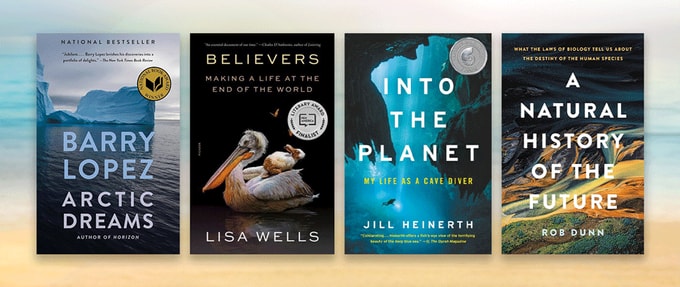

All around us, there is one constant to which we owe our existence: nature. Even if you live in a city, surrounded by concrete, we are always deeply reliant upon the sustenance it provides: air, food, water, climate, economy, and so much more.
Now, more than ever, it is essential that we, as humans, recognize this relationship—and nurture it in ways that reinforce its continued success and growth. Rather than destroying it for short-term gain—such as fossil fuel burning, deforestation, and pollution—we must value nature and its biodiversity by establishing limits on detrimental practices.
After all, the Earth, with its vast oceans, forests, and ecosystems, existed long before humans came into being. And although we tend to view the environment as merely something beneath us, there are so many complex patterns and practices happening all around us, day to day, that we rarely recognize.
From exploring early life on Earth to understanding how trees communicate, this list will help you better understand the world around you, in the hopes that you come to foster a newfound respect and compassion.

Silent Spring
Largely credited with launching the modern environmental movement, Silent Spring highlighted the devastating impacts of pesticides on nature and long-term human health, which had otherwise gone unacknowledged.
Marine biologist and conservationist Rachel Carson’s efforts ultimately led President John F. Kennedy to strengthen regulations on pesticides such as DDT, Aldrin, and Dieldrin, and to create the Environmental Protection Agency (EPA) in 1970.
As put by the Booker Prize-winning author of The Handmaid's Tale, “Rachel Carson is a pivotal figure of the twentieth century […] people who thought one way before her essential 1962 book Silent Spring thought another way after it.”

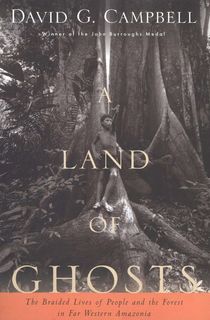
A Land of Ghosts
Multi-award-winning scientist David G. Campbell spent over thirty years in the Amazon, documenting the world’s largest rainforest, its species, people, and history.
In A Land of Ghosts, Campbell documents one of his many adventures as he and his crew survey the many life forms and contemplate the original inhabitants who were taken by diseases, colonialism, and genocide.
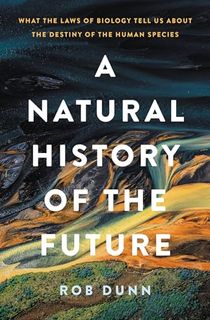
A Natural History of the Future
Throughout history, humans have routinely attempted to bend the planet to their benefit. However, in A Natural History of the Future, biologist Rob Dunn argues that, to survive as a species, we must learn to submit to the environment and its ways of life.
By turning to the laws of nature, whether antibiotic resistance or natural selection, Dunn proves that the environment is, in fact, not at our mercy, but the other way around. The world’s future is not in question, but merely our own.
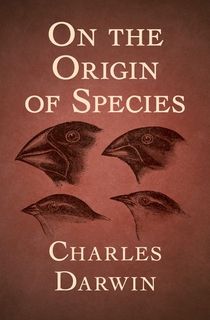
On the Origin of Species
Undoubtedly, one of the most famous, if not the most famous, texts of evolutionary biology, much of what we understand about the earth today, we owe to Charles Darwin.
The scientist ultimately argues that species evolve through natural selection, thereby undercutting prior discourse on the nature of human evolution.
Drawing on his research on species at the Galápagos Islands, On the Origin of Species is crucial to our understanding of scientific theory and an absolute must-read.
Arctic Dreams
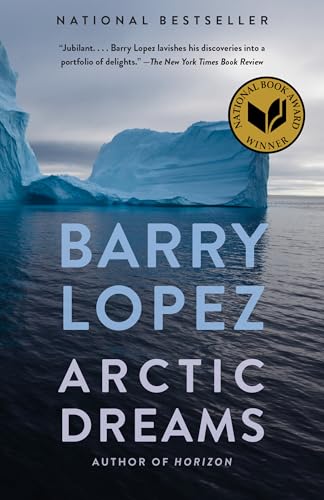
In Arctic Dreams, the 1986 winner of the National Book Award, nature writer Barry Lopez heads Far North, unpacking its history, species, and culture.
Few can survive the harsh climate of the Arctic, and it is those beings—polar bears, narwhals, and more—that Lopez turns towards in this seminal work.
At the same time, he draws on the origin stories of Indigenous peoples, as well as polar explorers, to explain why thought and research keep returning to this perilous yet awe-inspiring place.
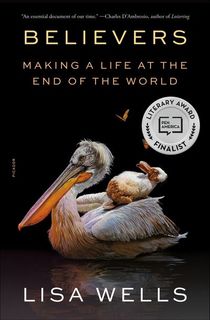
Believers
After years of being overwhelmed by the growing ramifications of climate change, Lisa Wells began this project. Connecting with people around the world, from gardeners to nomadic activists, Believers considers how we can work to repair our environment.
Although perhaps a less traditional book in natural history, in the face of routine global catastrophe, creative thought and solutions are needed to push forward. Lisa Wells proposes the question, “How do you make a life at the end of the world?” and, in turn, demands real, positive change.
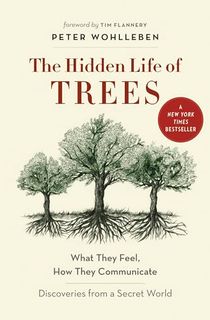
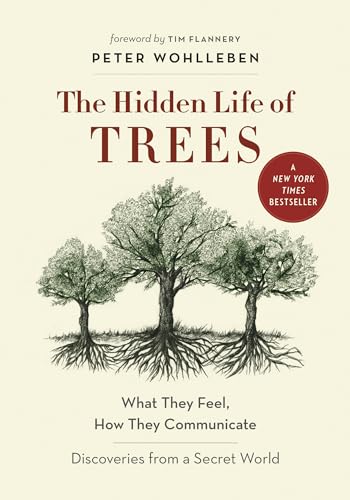
The Hidden Life of Trees
A New York Times, Washington Post, and Wall Street Journal bestseller, among numerous other honors, The Hidden Life of Trees paints a fascinating, overlooked picture of the life of trees.
Through a series of groundbreaking discoveries, environmental activist Peter Wohlleben proves that trees are, above all, social beings with families just like our own.
As described by the Washington Post, this illuminating account is “a declaration of love and an engrossing primer on trees, brimming with facts and an unashamed awe for nature.”
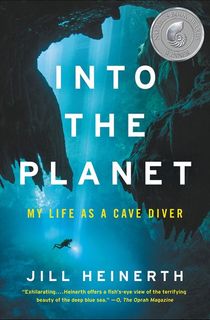
Into the Planet

The ocean is a vast, largely unexplored place that cave diver Jill Heinerth has come to understand through her expeditions. In a mix of science, memoir, and adventure, Into the Planet offers “a thrill ride into unfamiliar worlds” (Publishers Weekly).
Some of the defining achievements of Heinerth’s career were leading the team that discovered the remains of Mayan civilizations and being the first person to dive into an Antarctic iceberg.
By describing these experiences as well as the new species and insights she encountered along the way, Into the Planet offers a fascinating look into our oceans and sunken caves.
Featured image: Canva


