
If your faith in humanity as of late has been shaped by violent headlines, cruel comment sections, or someone watching Instagram reels at full volume on public transportation, it might just be time for a second opinion.
Lucky for us, millions of books exist in the world for the sole purpose of sharing great stories and teaching new things. By examining human society, behavior, and institutions, these nine social science books restore our faith in humanity, inspiring a more generous understanding of our species and unearthing all the wonderful things people are capable of.
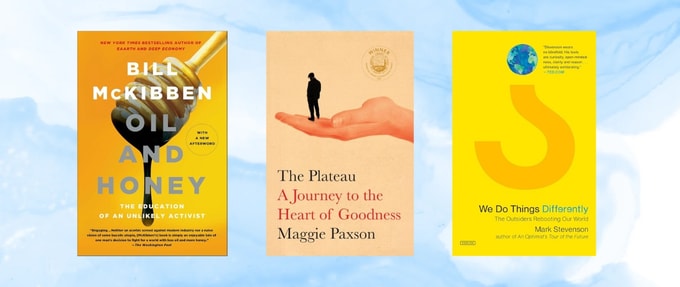
The Plateau
During the Nazi occupation of France in World War II, the people of a remote village risked their lives to shelter Jews from the Third Reich.
Maggie Paxson found distant relative Daniel Trocmé's story after feeling disheartened that her anthropological studies revealed humans’ capacity for war time and again. Trocmé's story is one of an educator who arrived in the village of Le Chambon-sur-Lignon to provide housing for displaced children and young men.
Illuminating and inspiring, The Plateau celebrates a community with abiding habits of care passed down between generations and a multicultural home of people encouraged to love one another.
All the Young Men
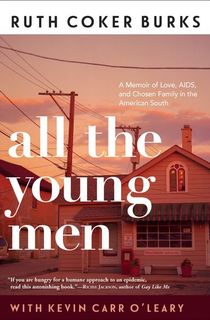
In 1986, 26-year-old Ruth Coker Burks became the only person willing to nurse young men with AIDS.
She made deep friendships, worked to find them housing and jobs, searched for funeral homes willing to take their bodies, stored rare medications, secretly taught sex ed to drag queens, and became a beacon of hope to gay men ostracized by a deeply conservative state.
This deeply moving and elegiac memoir honors Burks’ life and the beloved men who fought valiantly for their lives with AIDS during a hostile and misinformed time in America.
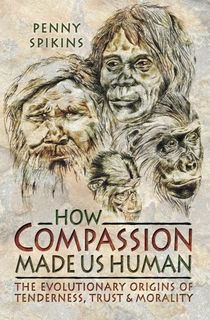
How Compassion Made Us Human
Archaeologist Penny Spikins takes us on a journey from the earliest Stone Age societies to Ice Age Europe, using archaeological evidence to illustrate the central role emotional connections had in human evolution.
Simple acts of kindness from millions of years ago show how social emotions and morality evolved, and how our capacity to reach beyond ourselves into others' lives allowed us to work together for the common good and form the basis for human success.
Oil and Honey
Bill McKibben found himself behind bars in the summer of 2011 after protesting the Keystone XL pipeline in front of the White House, leading the largest civil disobedience in 30 years.
With the Arctic melting, the Midwest in drought, and Irene scouring the Atlantic, McKibben connected with a Vermont beekeeper raising his hives as part of the growing trend toward local food, while recognizing that other solutions would come from a much larger fight against the entire fossil-fuel industry.
With a passionate empathy, McKibben describes a renewed commitment on both levels of the fight to stop global warming, telling “an enjoyable tale of one man's decision to fight for a world with less oil and more honey" (The Washington Post).

Of Bridges
Of Bridges is a poetic and philosophical history of bridges, both literal structures and their symbolic counterparts, that reflects on how they form and transform cultural communities.
Through a rich collection of myths, superstitions, and literary and ideological emblems, Thomas Harrison explores connections between transience and eternity, music and poetry, the megabridges of our globalized world, and the connections that make people and societies come together.
High Price
Columbia University's first tenured African American professor in the sciences recounts his youth in one of Miami’s toughest neighborhoods, and how it led him to his groundbreaking work in drug addiction.
Going beyond the hype of the anti-drug movement, Carl Hart examines the relationship among drugs, pleasure, choice, and motivation, both in the brain and in society.
A powerful story of hope and change, and of a scientist who has dedicated his life to helping others, High Price will make us rethink poverty, race, addiction, and how we can effect change.
We Do Things Differently
Across four continents, historian and futurologist Mark Stevenson sets out to find new approaches to education, healthcare, government, food production, and energy supply.
From Brazilian favelas, high-tech Boston, and rural India, Stevenson seeks those who have challenged the status quo and are pioneering new ways to make our world more sustainable, equitable, and humane.
Stevenson paints a captivating picture of how to address the world’s most pressing dilemmas and offers a down-to-earth optimism that is much needed.
Sand Talk: How Indigenous Thinking Can Save the World
Senior lecturer in Indigenous Knowledge and a member of the Apalech Clan, Tyson Yunkaporta evaluates global systems, history, economics, education, and power structures through an Aboriginal worldview rooted in the natural and spiritual world.
Yunkaporta considers how contemporary life diverges from the pattern of creation and teaches us, from an Indigenous perspective, how we can learn, remember, and make sense of the world around us.

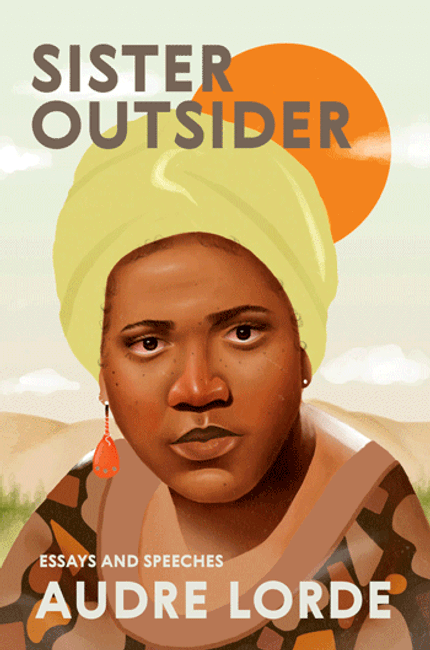
Sister Outsider
This landmark 1984 collection of 15 essays and speeches by Black lesbian poet, feminist, and activist Audre Lorde leverages her personal identity and experiences of marginalization to dissect interlocking systems of oppression.
Lorde gives marginalized communities the tools to define themselves and reclaim their power, and argues that our differences are a creative, powerful fuel for building a better future together.