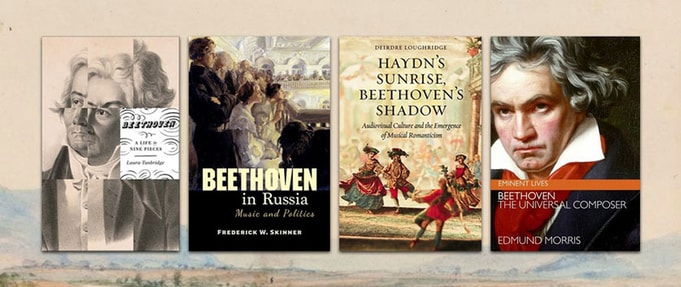

Some may know Ludwig van Beethoven as a composer, but to musicians and music historians, he was also one of history’s most formidable pianists. Born in 1770, Beethoven’s musical upbringing began at home, as he was the third generation of his family to make a living as a musician. His father, Johann, recognized his son’s extraordinary talent early and began giving him keyboard lessons when Beethoven was only five, pushing him toward the kind of child-prodigy career that made Mozart famous.
By his early teens, Beethoven was already composing and performing professionally in Bonn, Germany. At 22, he moved to Vienna, where he would spend the rest of his life and establish himself as one of the most influential composers in Western music. Yet, his rise was accompanied by profound personal struggles, from family loss and romantic disappointment to the progressive hearing loss that eventually left him almost completely deaf.
Beethoven also transformed what it meant to be a composer. Rather than simply writing music for a particular patron, he increasingly pursued his own artistic vision, developing an unprecedentedly personal style marked by bold harmonies, rhythmic innovation, and expanded musical forms. His music could express intimacy, anguish, and triumph, helping explain why it continues to resonate today across generations and cultures.
The texts below explore Beethoven from many perspectives, from his childhood and creative process to his deafness, political influence, and enduring place in modern culture.
Here are 10 Beethoven history books you won't want to miss!
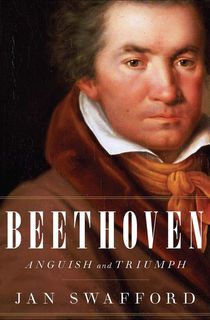
Beethoven
Acclaimed music historian Jan Swafford brings Beethoven vividly to life in this detailed biography, more than a decade in the making. Drawing on sources never before used, Swafford looks beyond the familiar legends to reveal the complex human being behind some of the world’s most iconic music. He traces Beethoven’s early years in Enlightenment-era Bonn, where revolutionary ideas shaped his worldview, before following him to Vienna and the heights of his career.
There, Beethoven faced critical misunderstanding, debilitating illness, romantic disappointment, and the relentless advance of deafness. Throughout, Swafford offers illuminating readings of Beethoven’s major works, connecting their power and innovation to the tumultuous life that produced them.

Discovering Classical Music: Beethoven
For many listeners, classical music can seem intimidating or difficult to understand. Ian Christians sets out to change that, offering an inviting introduction to some of the greatest composers and their most approachable works. In this volume of his Discovering Classical Music series, Christians explores the life, personality, and music of Beethoven, guiding newcomers step by step through the composer’s most accessible pieces, while also venturing into some of his more ambitious masterpieces.
Written for those just beginning to explore classical music as well as curious listeners looking to deepen their appreciation, this engaging guide offers a confident and accessible way into Beethoven’s extraordinary musical world.
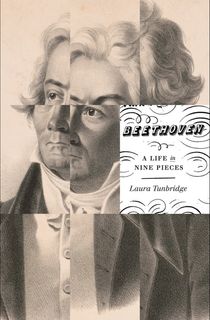
Beethoven

In this engaging biography, Oxford scholar Laura Tunbridge offers a fresh portrait of Beethoven, exploring his life and career through the music he created and the world that influenced it. Each chapter pairs a period of Beethoven’s life with a piece of music and a revealing theme, from family and friendship to love and ambition. Tunbridge examines his unconventional self-promotion, ambitious concerts, and the performers and instruments that shaped his work. The result is a fresh perspective on Beethoven and why his music continues to resonate today.
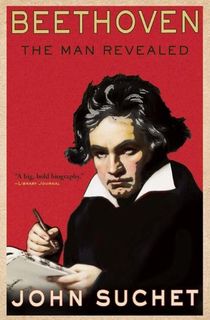
Beethoven
In this detailed biography, classical music broadcaster and Beethoven scholar John Suchet offers an intimate portrait of one of history’s most celebrated composers. Drawing on rare source material, including material previously unpublished in English, Suchet explores Beethoven’s romances, friendships, rivalry with Mozart, and the stories behind works such as “Für Elise” and the Moonlight Sonata.
Going beyond the familiar legends surrounding Beethoven, Suchet examines the personal experiences and relationships that shaped the composer’s life and work. Blending biography with musical insight, he offers fresh perspectives on Beethoven’s creative process, his connections with those around him, and the enduring appeal of his music.
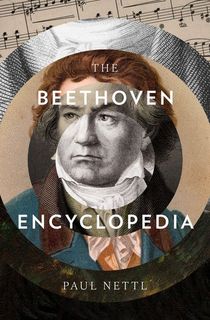
The Beethoven Encyclopedia
This comprehensive A-to-Z reference explores the life, music, and enduring legacy of Ludwig van Beethoven. From his groundbreaking symphonies and concertos to the patrons, influences, and personal struggles that shaped his work, eminent musicologist Paul Nettl examines the many facets of Beethoven’s remarkable career.
Organized in detailed alphabetical entries, The Beethoven Encyclopedia offers an authoritative guide to the composer’s world, making it an invaluable resource for students, researchers, and anyone fascinated by the man behind some of classical music’s most enduring masterpieces.
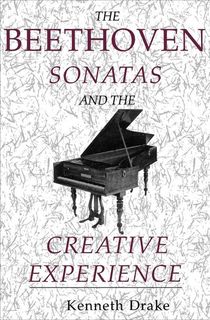
The Beethoven Sonatas and the Creative Experience
What can Beethoven’s piano sonatas reveal about the creative process, and how should performers bring that meaning to life? In this insightful study, Kenneth O. Drake groups the 32 sonatas according to their musical qualities rather than chronology, examining the rhythms, dynamics, harmonies, melodies, and expressive markings that give each work its distinctive character.
Drake considers Beethoven’s use of touch, articulation, silence, and pacing before turning to individual sonatas and their development and technical demands. Illustrated with hundreds of musical examples, this engaging analysis encourages musicians to look beyond performance technique and discover the ideas and emotional possibilities within Beethoven’s scores.
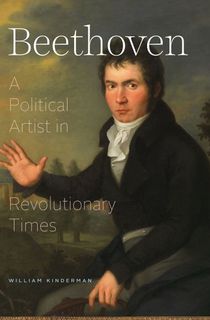
Beethoven
Ludwig van Beethoven is remembered as one of history’s greatest composers, but he was also a deeply political artist whose music reflected the turbulent world around him. In this compelling study, musicologist William Kinderman examines Beethoven as a civically engaged thinker shaped by the French Revolution, the rise and fall of Napoleon, and the political upheavals of his era.
Rather than focusing primarily on the composer’s personal suffering, Kinderman reveals how the tensions in works such as the Eroica, Appassionata, and Ninth Symphony express Beethoven’s ideals and responses to political change. He also traces the enduring role of Beethoven’s music in movements of resistance and activism, showing why his work continues to resonate in uncertain times.
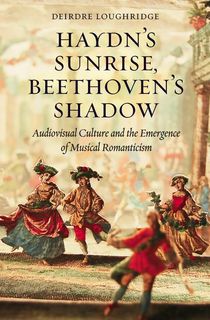
Haydn’s Sunrise, Beethoven’s Shadow
Between the rise of Joseph Haydn and the emergence of Ludwig van Beethoven, musical culture underwent a remarkable transformation. In Haydn’s Sunrise, Beethoven’s Shadow, Deirdre Loughridge explores how the music of this era was shaped not only by what audiences heard, but also by what they saw. As optical technologies such as telescopes, magic lanterns, and shadow plays spread from laboratories and fairgrounds into popular culture, they inspired new forms of entertainment and new ways of thinking about music.
Drawing connections between opera, street performances, popular science, and musical criticism, Loughridge reveals how the blending of sight and sound helped shape Romantic ideas about listening and musical expression, offering a fascinating perspective on the culture surrounding Haydn and Beethoven.
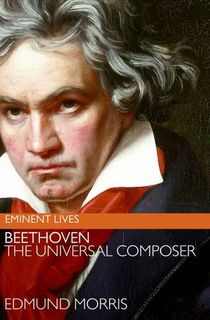
Beethoven
In this vivid biography, bestselling biographer Edmund Morris brings Beethoven to life as a man of extraordinary intelligence, ambition, and complexity. Unable to tolerate constraints, Beethoven cultivated relationships with powerful aristocrats while navigating a Europe reshaped by the rise of Napoleon Bonaparte. At the same time, he struggled to conceal his worsening deafness, even as he created masterpieces including the Fifth and Ninth Symphonies.
With sensitivity and insight, Morris explores Beethoven’s personal life and relentless creativity, revealing the remarkable man behind the music.

Beethoven in Russia
How did Beethoven’s music become entangled with the political struggles of modern Russia? In Beethoven in Russia, Frederick W. Skinner traces the composer’s reception from the late 18th century through the Soviet era, showing how his music took on new political meanings as Russia underwent dramatic change.
Skinner first examines Beethoven’s influence on the revolutionary movement that culminated in the Russian Revolution of 1917. He then explores how Stalin’s regime appropriated Beethoven’s music as a tool of state propaganda during its campaign of rapid industrialization. Drawing on history, music, literature, and political thought, Skinner shows how Beethoven’s music could inspire revolutionary action while also serving the interests of political power.


