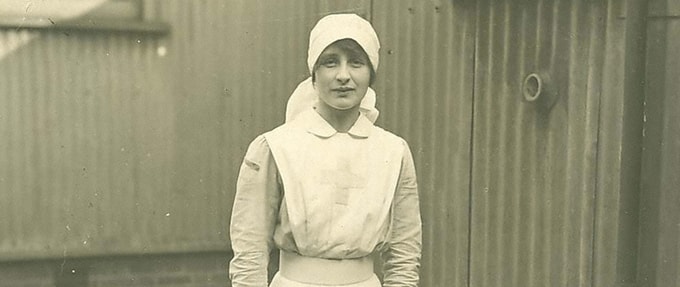

Much of the canonical WWI literature is written from the trenches, by men who fought. But with Vera Brittain’s Testament of Youth, a new perspective was launched.
One of the first books to gain mainstream success from a female home-front-and-hospital vantage point, Brittain chronicles what it was like to be the one waiting—while watching combat take everyone she loved.
At first, as an eager young woman, she commits herself to the war effort, but as her story goes on and she loses her fiancé, brother, and two closest male friends, she becomes a pacifist.
These seven memoirs, from a nursing account to an elegy, are all justified by the same question: how do you put language around a loss this size?
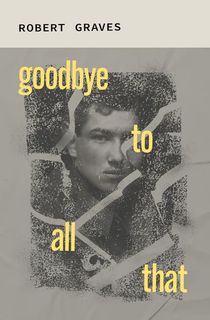
Goodbye to All That
In 1929, after a harrowing upbringing and serving as an officer in the First World War, Robert Graves decided to live abroad permanently, leaving England behind. Documenting the loss of a former self, Goodbye to All That is his attempt at burying the young man he was, as much as to record what happened.
Including encounters with fellow writers, from Siegfried Sassoon and Thomas Hardy, to devastating descriptions of his time on the front lines, it is, at times, uncomfortably honest and unflinching in its mission to depict tragedy as it happened.
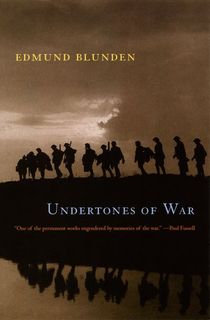
Undertones of War

A mix of prose memoir and verse, Undertones of War takes a different direction from other First World War accounts. Firstly, a poet and countryman, Edmund Blunden displaces his loss onto landscape, offering a look into his grief for a pastoral England that the war has shattered.
Over and over again, he reaches for the natural world, finding vocabulary in the landscape, after his service as a young infantry officer on the Western Front, where he participated in some of the war’s most brutal battles.
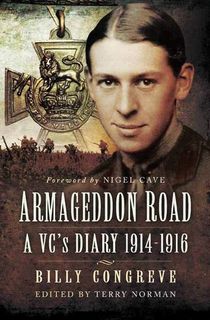
Armageddon Road
A diary, not a memoir, Armageddon Road directly confronts what it means to lose someone. Billy Congreve, a decorated officer who chose to stay near the front lines, writes of all that is happening—until he isn’t.
At just 25, he was killed on the Somme. There is no reckoning, no explanation. All the other writers on this list lived long enough to make sense of what they lost—Congreve didn’t.
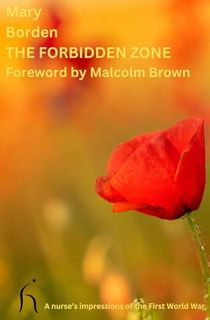
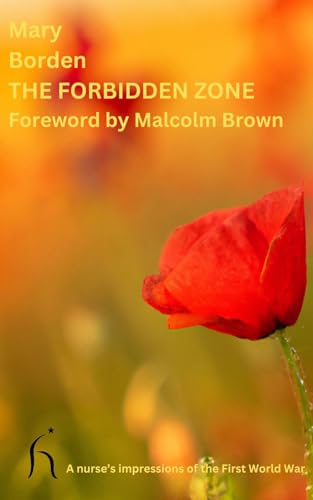
The Forbidden Zone
Documenting her time working as a nurse in an evacuation hospital unit in the European theater, Mary Borden describes the soldiers she met and the reality of the atrocities she faced.
Rather than offering a coherent, streamlined narrative, Borden uses a fragmented form that illustrates how plain prose couldn’t hold what she saw.
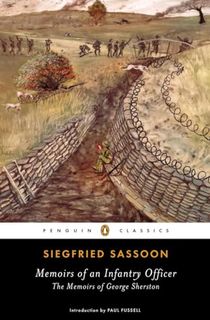
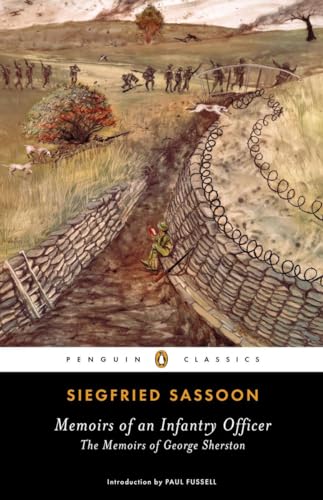
Memoirs of an Infantry Office
Technically published as a novel, but read almost universally as autobiography, the protagonist George Sherston’s war experiences map closely onto author Siegfried Sassoon’s own.
Offering a seething trench-level counterpart to Vera Brittain’s home-front reckoning, Memoirs of an Infantry Officer follows Sassoon’s time on the Western Front and his growing disillusionment, culminating in a real-life 1917 public protest against the war.
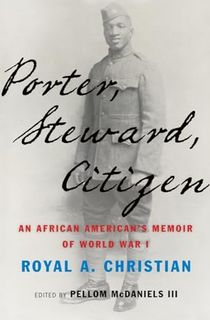
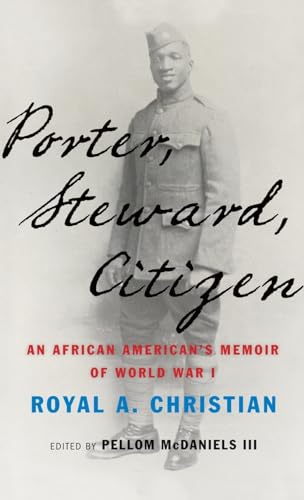
Porter, Steward, Citizen
Originally self-published in 1919 as Roy’s Trip to the Battle Fields of Europe and re-edited into this 2017 edition by historian Pellom McDaniels III, Porter, Steward, Citizen offers a look into an African American soldier’s WWI service—an experience that has largely been unexplored in published record.
Royal A. Christian’s memoir explores a different kind of loss: that of recognition. Forced to fight for a country that refuses to grant him full citizenship, Christian’s perspective is rich in reflection, historical details, and cultural observations.
Testament of Experience
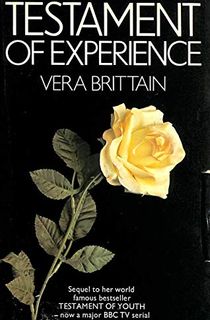
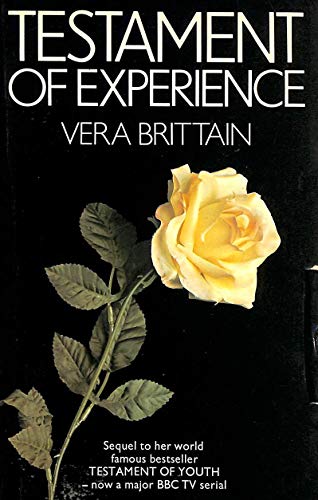
The most obvious tie-back: this follow-up more or less begins where Vera Brittain left off with Testament of Youth. Loss is not just felt imminently, but long after.
In this account, she confronts what it means to keep living and writing decades after tragedy—from finding love again to continuing her pacifist activism.
Featured image: VB Estate / McMaster University Library


