.png?w=3840 "unexpectedly-interesting-history-books_feature")
It’s easy to forget there were many factors which came together to create the world we live in. The books listed below are tales of triumph, defeat, beauty, invention, evolution, and cooperation.
There is much to learn about our past and the moments which brought us to where we are today. Readers will be fascinated and intrigued by these unexpectedly interesting history accounts.
The Golden Thread: How Fabric Changed History
We don’t often think of how cloth gets made, or the way textiles have impacted our daily lives. However, the world has been shaped by thread.
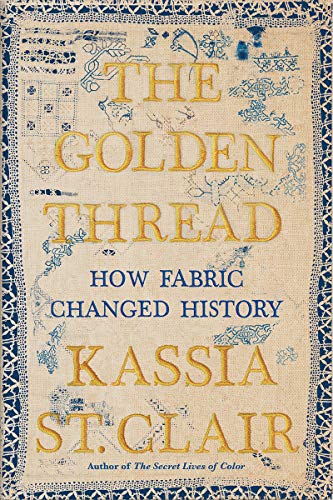
Kassia St. Clair’s book, The Golden Thread, provides a deep-dive into the history of fiber work. With St. Clair as our guide, she shares the oldest evidence of textile work (it’s older than you think), strings us along the Silk Road travelled by traders for many years, and follows the thread all the way to the modern era.
This book on textile history will have you viewing fabric in a totally different light, and seeing it where you’ve never noticed it before.
Color: A Natural History of the Palette
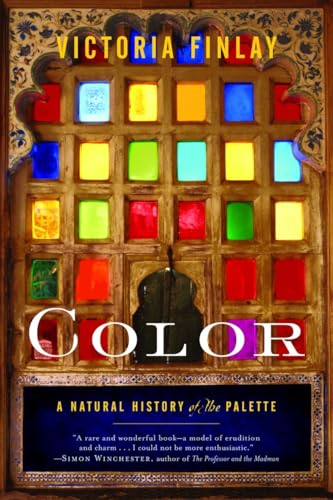
Victoria Finlay walks readers through every pigment of the rainbow and then some in Color: A Natural History of the Palette. The writing paints a vivid picture of the importance of color selection and the meanings behind each choice.
The history begins with ochre, the first ever color paint, and ends with violet. Between these colors, Finlay shares an in-depth history and appreciation of the colors, the places that bore them, the methods that make them, and the people who loved them.
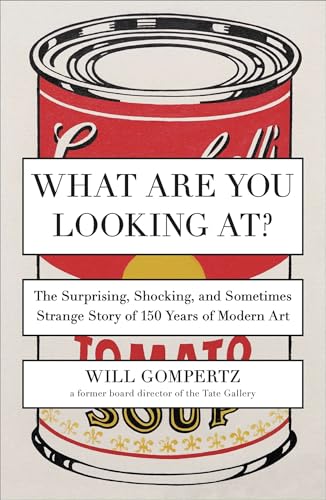
What Are You Looking At?: The Surprising, Shocking, and Sometimes Strange Story of 150 Years of Modern Art
This delightful read will have anyone confused by modern art excited for a trip to a museum. Will Gompertz writes with a fresh and approachable voice. The author has quite the sense of humor, and isn’t afraid to show it.
The book is meant to be a walk-through of 150 years of Modern Art for the everyday person. It does so in a way that doesn’t feel overwhelming or stuffy. There’s plenty to learn, sometimes a laugh, and an invitation to figure out what modern art is all about.
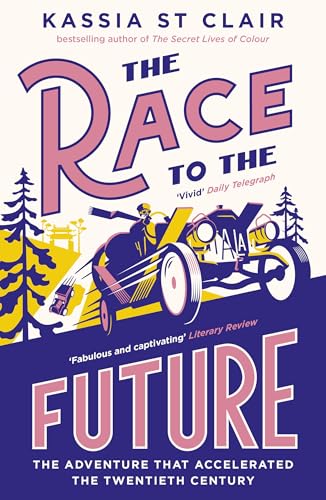
The Race to the Future: The Adventure that Accelerated the Twentieth Century, Radio 4 Book of the Week
It seems racing vehicles have always been a popular pastime, and it doesn’t get more legendary than the Peking-to-Paris Motor Challenge. This race from 1907, historian Kassia St. Clair posits, gives us a look at the world on the precipice of change.
Prior to World War I and near the beginning of the automobile industry, this race was one that brought people together over newspapers, eager to learn where their favorite team was. St. Clair shares about politics, the history of telegraphs, the development of the automobile, and much more. It’s an in-depth and gripping tale that, unbeknownst to its participants, would soon change the everyday world.
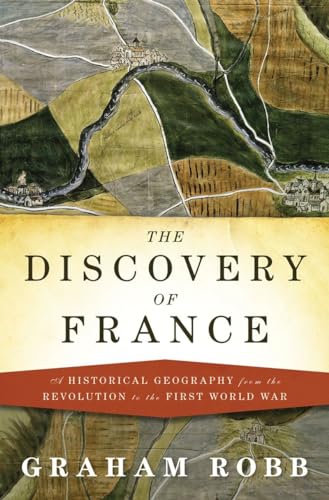
The Discovery of France: A Historical Geography from the Revolution to the First World War
If one were to know the history of a country, the task might be to look at politics, foreign wars, and the antics of the ruling class. Graham Robb, however, grants us a much more immersive journey through France before it truly came to be.
Robb writes of a wild, unknown countryside and the task of mapping it. He delves into local customs, old superstitions, the difference in the many dialects, and so much more. The book takes on the task of sharing all the little facets that make up a country, and what it ultimately took to mold it into a country on the modern world stage.
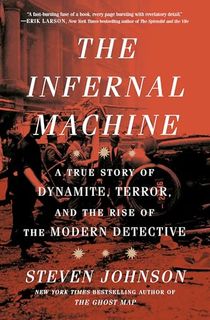
The Infernal Machine: A True Story of Dynamite, Terror, and the Rise of the Modern Detective
Author and historian Steven Johnson grabs readers by the collar and doesn’t let them go until the end of this intricate story of terrorism and detective work. Johnson introduces the background of all the important players, which ultimately builds up to a barrage of bombings on New York City over the course of 5 years.
Within the threads Johnson is weaving together, he shares the history of such methodologies as “taking fingerprints,” as well as the inspiration some found in the new philosophy of anarchism. Pages keep turning as the detectives of a new era attempt to come together and put a stop to the terror taking over the city.


The Golden Thread
Not to be confused with the above title of the same name, in this book, Ewan Clayton, a calligraphy expert, details the history of writing. Clayton writes about the importance of the written word and how it developed from alphabets and processes of the past.
There are technological advancements to consider as well, such as the invention of the printing press, which helped literacy to spread to much more of the population. The book helps us to look at what writing is in its true form: a method of communication that connects us all.

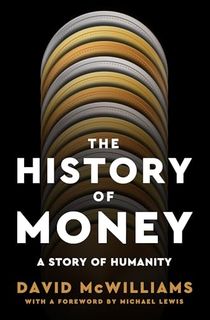
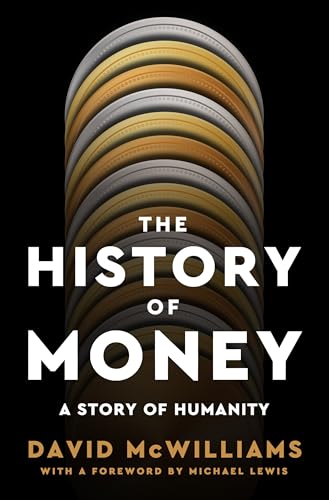
The History of Money: A Story of Humanity
It could be argued that society wouldn’t have developed at the scale it has were it not for money. David McWilliams illuminates the audience on the invention of money and how it’s impacted the growth of society in The History of Money.
Money is the great equalizer and the great divider of our time here on earth. McWilliams shares tales of money both good and bad, and ultimately reminds us of how far humans have come.