

Maggie O’Farrell’s beloved novel, Hamnet, is officially a major motion picture, bringing the world of Elizabethan England to the big screen! But before you buy your ticket to see Jessie Buckley and Paul Mescal bring the love and loss to life, it’s worth revisiting why the book became a global phenomenon in the first place.
When Hamnet was published, it resurrected and gave voice and depth to Agnes Hathaway, the often-forgotten wife of William Shakespeare. It’s a novel that beautifully humanizes a legendary, almost mythical, figure in history. At its devastating heart, Hamnet captures the earth-shattering grief that follows the death of a child, turning a widely-speculated tragedy into an intimate, unforgettable portrait of love's endurance.
It’s impossible not to be moved by Hamnet's lyrical prose, its atmospheric historical setting, and its ability to morph heartbreak into art. If you’re craving something similar, we’ve gathered seven novels, spanning continents and centuries, that share Hamnet's emotional heft and deep appreciation for the lives lived in the shadows of greatness.

James
A searingly emotional and satirical retelling of Mark Twain’s The Adventures of Huckleberry Finn, this Pulitzer Prize-winning novel offers the enslaved character, Jim, his own voice and complex interiority as he navigates the dangers of his transcendent journey.
This book shares Hamnet's commitment to giving a vibrant agency to a character who was previously marginalized or overlooked in the traditional narrative. It is a story surrounding the painful dynamics of family separation and the fierce desire to protect one’s children—a sentiment that deeply resonates with Agnes's grief and the central tragedy of Hamnet's death.

Year of Wonders: A Novel of the Plague
In 1666, an isolated English village makes the collective, devastating decision to quarantine themselves after the arrival of the bubonic plague. As death permeates her homeland, housemaid Anna Frith becomes an unlikely healer, fighting to keep her community together and resist illicit love.
This novel is perhaps the closest thematic parallel to Hamnet, as both books are based on real-life events and are deeply concerned with the shattering, indiscriminate effect of an epidemic/plague on family and community.
Like O’Farrell, Brooks masterfully captures the minute, terrifying details of living through a medical catastrophe and the struggle of an intelligent, resilient woman to find faith and purpose in the face of insurmountable loss.
Station Eleven
Decades after a devastating global flu pandemic collapses civilization, a traveling troupe of actors and musicians called the Traveling Symphony dedicates their lives to preserving art and humanity among the scattered settlements of a new world.
While the settings are centuries apart, both novels explore how a catastrophic illness impacts a family and society, forcing survivors to find meaning and community amid incomprehensible loss. Similar to the way Shakespeare turns his private grief into public art, Station Eleven beautifully argues that art and performance are what make survival worthwhile, offering a profound commentary on legacy that mirrors the emotional core of O'Farrell's novel.

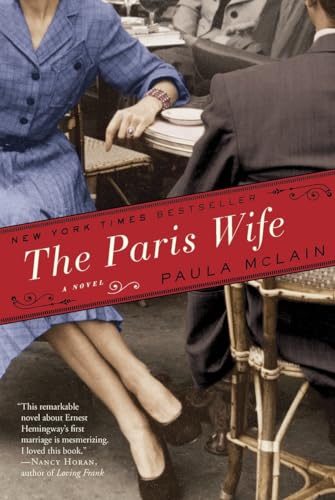
The Paris Wife: A Novel
The Paris Wife tells the story of Hadley Richardson, the first wife of Ernest Hemingway, chronicling their passionate but ultimately doomed marriage amidst the vibrant artistic and literary scene of 1920s Paris.
Similar to Hamnet, this is a heartbreaking story that humanizes and grants agency to the spouse of a genius, detailing the personal sacrifices and emotional toll of loving an artist whose career begins to eclipse their marriage. The novel beautifully captures the intimacy of a relationship before fame, and the slow, inevitable heartbreak as professional ambition begins to chip away at love’s durability.
Demon Copperhead
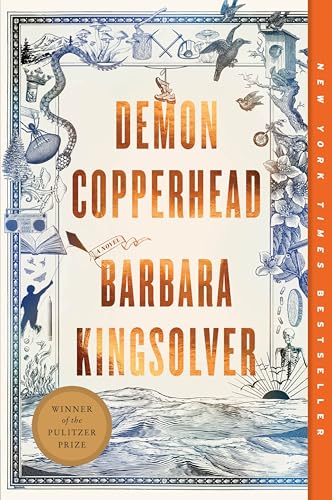
A contemporary retelling of Charles Dickens’ David Copperfield, this Pullitzer Prize-winning novel follows Damon "Demon" Field, an orphan boy navigating the horrors of poverty, foster care, and the opioid crisis in the modern-day Appalachian South.
The aching core of both novels is the profound vulnerability of childhood loss and the resilience required to survive it. While set in the present day, Demon’s journey of surviving heartbreak and finding his own powerful voice through storytelling echoes the cycle of tragedy to art that defines Shakespeare’s later life, offering a devastating but ultimately hopeful look at the human spirit.
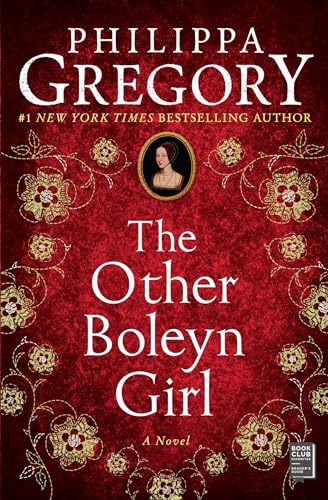
The Other Boleyn Girl
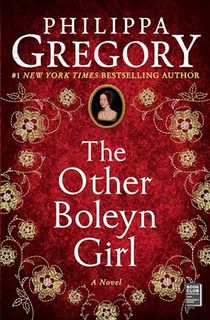
This dramatic historical novel follows the captivating rivalry between the ambitious Boleyn sisters, Mary and Anne, as they compete for the affection and power of King Henry VIII, forever changing the course of English history.
Just as Hamnet takes a legendary historical figure—Shakespeare—and refocuses the lens on the main woman in his life, this book centers the narrative on the defiant, often-misunderstood life of Mary Boleyn, a woman tied to a monumental man. The immersive historical setting and the intense focus on complex family dynamics echo similar undertones to Agnes’ struggle to maintain her independent spirit within her marriage.
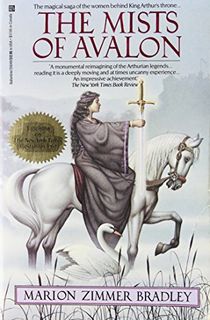
The Mists of Avalon
A sweeping, feminist retelling of the Arthurian legend, this epic fantasy centers on the women of the court to tell the stories of Camelot and the rise and fall of King Arthur.
Like Hamnet, this book takes a familiar patriarchal story and reclaims it for the female characters, giving power and voice to figures often relegated to the background. Much like the extraordinary Agnes Hathaway, this novel features a strong, wise female protagonist who possesses a unique power and perspective on the natural world.
With a deeply mystical and historical atmosphere, this book is bound to appeal to fans of Hamnet.
Featured image: Annie Spratt / Unsplash


