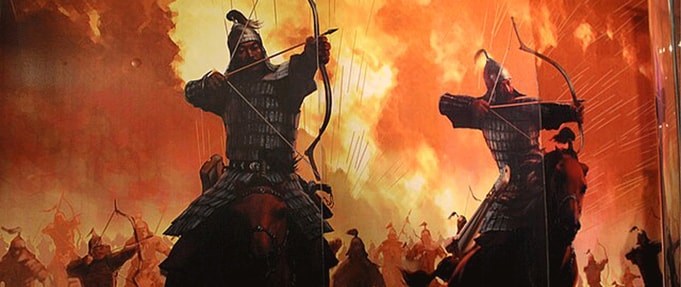

The Mongol Empire remains the largest contiguous land empire in history, stretching at its height from the shores of the Pacific to the gates of Central Europe. Founded by Genghis Khan in the early 13th century, this nomadic power restructured the medieval world through a combination of innovative military tactics, administrative reform, and the opening of vast trade networks across the Silk Road.
Understanding the Mongols requires looking beyond the battlefield to explore their governance, their religious tolerance, and the internal family dynamics that sustained their rule for generations. This list features seven foundational texts that cover the empire’s origins, its military operations, and the influential figures—both men and women—who shaped its legacy.
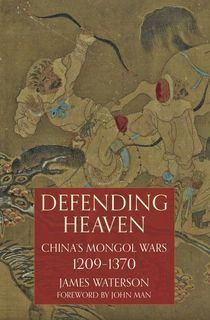
Defending Heaven
This fascinating volume provides a comprehensive account of the protracted struggle between the Chinese dynasties and the advancing Mongol war machine. Lasting nearly two centuries, these conflicts involved complex shifting alliances, naval warfare, and significant technological revolutions. James Waterson places these wars within the broader context of China’s long-standing history with northern nomads to show how the resistance shaped the Chinese military state.
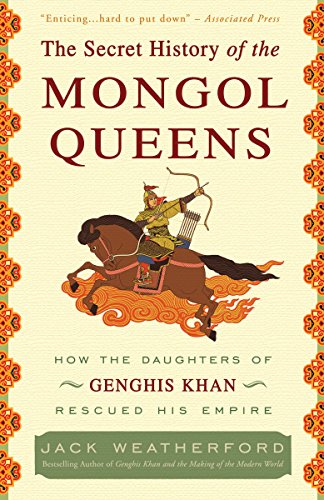
The Secret History of the Mongol Queens: How the Daughters of Genghis Khan Rescued His Empire
Jack Weatherford uncovers the obscured legacy of the formidable women who transformed a series of conquests into a sophisticated international empire of trade and culture. The narrative restores the "missing chapter" of the Khans, detailing how Genghis Khan’s daughters and successors governed vast territories only to face a systematic purge from historical records. Highlighting the incredible life of Queen Mandhuhai—who led armies into battle while pregnant to preserve her nation—this book offers a groundbreaking look at the female warriors and diplomats who built and defended the Silk Route.
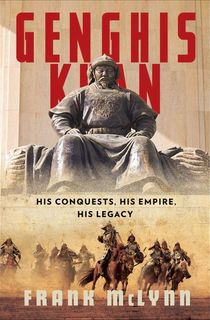
Genghis Khan
This sweeping biography tracks the dramatic rise of Genghis Khan from a displaced boyhood outcast to the architect of the world’s largest land empire. Frank McLynn balances fast-paced battle narratives with the latest historical scholarship to bring the complex cultural landscape of the 13th-century Mongols to life. The result is a highly accurate and absorbing portrait of a leader whose military genius and administrative reforms permanently altered the course of global history.
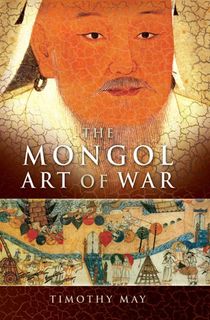
The Mongol Art of War
In this authoritative study, Timothy May challenges the popular myth of the Mongols as an undisciplined horde, revealing instead a highly sophisticated military machine built on rigorous training and tactical brilliance. May explores the recruitment, weaponry, and innovative strategies that allowed these armies to master diverse terrains and adapt to any opponent. By tracing the evolution of their maneuvers, the book demonstrates how Mongol military organization served as a precursor to modern mechanized warfare rather than a relic of the medieval past.
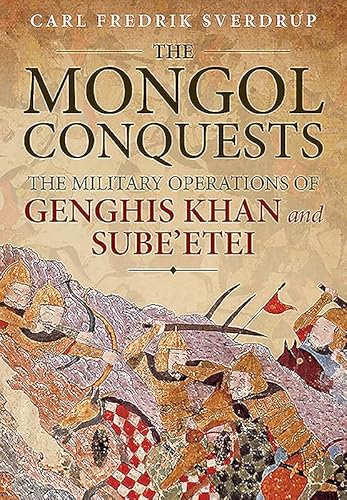
The Mongol Conquests: The Military Operations of Genghis Khan and Sube'etei
Drawing on rarely translated Chinese and Mongolian sources, this detailed narrative reconstructs the forty campaigns and sixty battles that forged the largest land empire in history. The book highlights the strategic partnership between Genghis Khan and his legendary general, Subetai, providing an operational account of their march from Korea to the heart of Europe. Carl Svedrup utilizes new evidence and detailed maps, challenging long-held myths regarding Mongol siege warfare and terror tactics to offer a major contribution to military history.
The Mongols
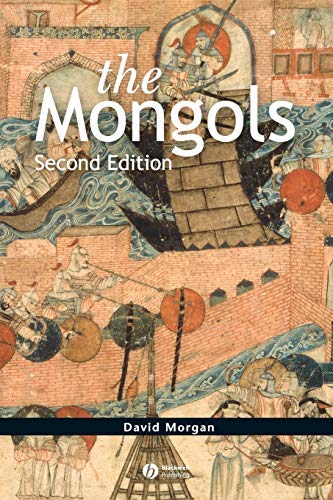
In this revised second edition, David O. Morgan provides an essential overview of the government, religion, and politics that allowed a nomadic people to rule a massive portion of the globe. The text examines the profound consequences of Mongol expansion across China, Russia, and Europe, showing how their military campaigns permanently altered the societies they encountered. Supported by maps and updated scholarship, this authoritative study offers a clear look at Genghis Khan's life and the complex administrative legacy he left behind.
The Mongol Empire: Genghis Khan, His Heirs and the Founding of Modern China
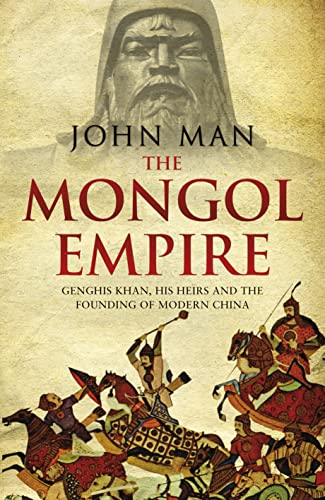
John Man examines the generational arc of the "Golden Family," tracing the evolution of a nomadic vision into a sophisticated ideology of global governance. The narrative follows the dynasty as they consolidated fractured tribes into a powerhouse that eventually controlled one-fifth of the globe and established the foundational borders of modern China. By centering on the psychological and political growth of leaders like Genghis and Kublai, the text reveals how a single family’s ambition fundamentally remapped the medieval world.
Featured image: Gary Todd via Wikimedia Commons.


