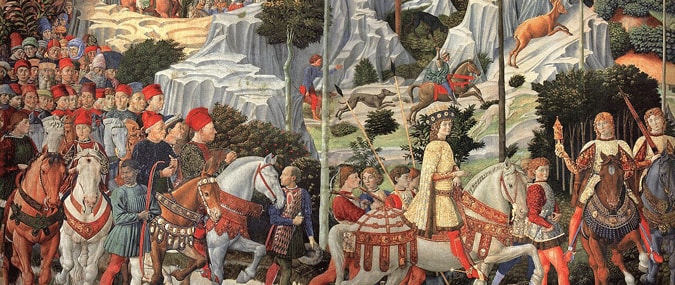

From local Florentine merchants to European bankers, eventual rulers of Florence, and even producers of popes, the name Medici would come to be widely recognized across Italy and Europe for centuries. The Medici family, also known as the House of Medici, first gained prominence in the 13th century as successful in commerce, but with the rise to power of Cosimo de’ Medici in 1434, they became associated with the arts as they are today.
By commissioning what would be iconic works from leading artists of the day, including Donatello, Brunelleschi, and Michelangelo, the Medicis transformed Florence into a creative hub, fostering a shift away from religion toward the classical. Without the unparalleled patronage of the Medicis, the Italian Renaissance would not have developed as it did, leading to a significant movement toward humanism throughout the rest of the world.
As with any powerful family, the Medicis were not without their fair share of secrets, scandals, and plots. Coming from the countryside, they fought their way to the top, often resorting to bribery, corruption, and even violence. This darker aspect of their history likely contributed to their reputation as the Godfathers of the Renaissance.
Dive into the fascinating, complex, and enlightening history of the Medici family through these five books, covering topics that range from the artists involved to the influential Lorenzo de’ Medici and the events that ultimately led to their downfall.
The House of Medici
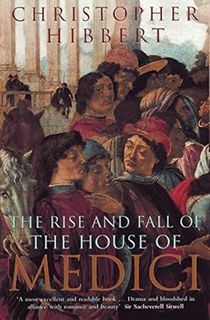
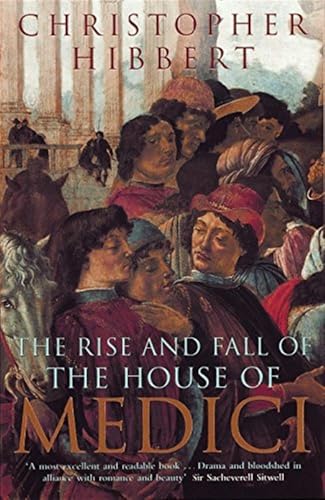
Renaissance Florence was a place of great wealth, power, and influence, with many rich mercantile families at the helm. The most famous of those, dominating the republic-city state, were the Medicis. Following the family's rise and fall, including their enormous impact on Florentine history, this book is all-encompassing and a great starting point for anyone looking to build a foundation in the Medicis.
Starting with the legendary Cosimo de' Medici in the 1430s, author Christopher Hibbert cast a spotlight on the Medici golden era, when they backed some of the world’s most famous artists and architects, and on the time of the Medici Popes and Grand Dukes, when Florence became the site of bankruptcy and decline in 1737.

Magnifico
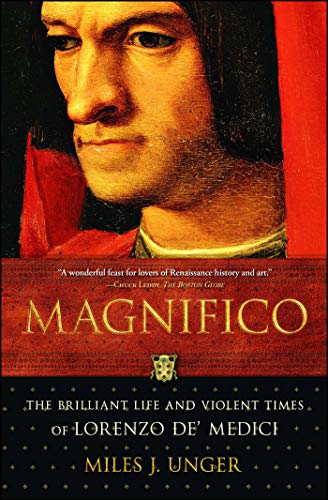
One who would be referred to as a “Renaissance man,” Lorenzo de’ Medici, was the de facto ruler of Florence for the better part of two decades. He was known for his charismatic personality and considerable talents, which led to his being referred to as Il Magnifico (the Magnificent). Surrounded by the premier writers and artists of the era, including Leonardo, Botticelli, and, most notably, Michelangelo, this rich biography portrays him as the complex figure he was.
Nevertheless, he remained a member of the Medici family and served as a cunning political operative, wielding power for better or worse. Many people plotted against his death, including a pope, a king, and a duke; nevertheless, he survived, marking one of the most significant moments in history.

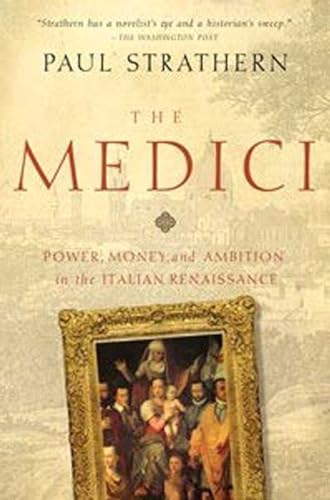
The Medici
Once a modest agricultural family from the Tuscan village of Cafaggiolo, when they immigrated to Florence, few could have predicted that the Medicis would become one of the most powerful families in Europe. Not only were they a powerhouse, representing the pinnacle of ambition, but they ultimately kick-started a rebirth in ancient and classical learning.
Scholar Paul Strathern also follows the lives of many Renaissance creatives sponsored by the Medicis, including Leonardo, Michelangelo, and Donatello, as well as scientists such as Galileo and Pico della Mirandola. In addition, not all of the powerful members of the Medici family resided in Florence. There were two Medici popes and Catherine de' Medici, who would become the Queen of France for nearly 30 years.

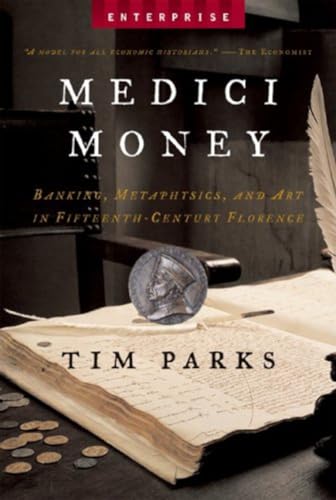
Medici Money
Although many have come to recognize the Medicis as patrons of the arts and as the covert leaders of Florence, the family began as bankers. However, during the Renaissance, charging interest meant facing the wrath of the Catholic Church, which banned usury.
Nonetheless, Tim Parks explores how the Medicis surmounted this barrier through diplomatic, military, and, at times, metaphysical tools, intertwining the history with many twists and turns.

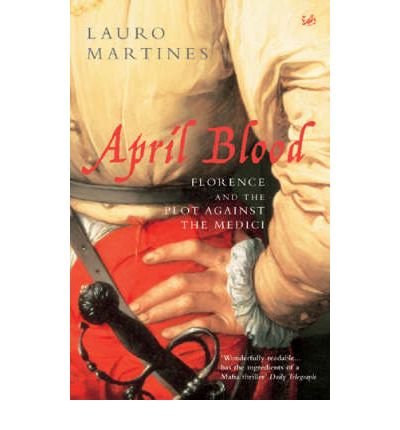
April Blood
Despite 15th-century Florence being recognized as the pinnacle of art and culture, there was a dark underbelly to such violence. The story begins on a Sunday in April 1478, when assassins attacked Lorenzo de’ Medici, the artist and political figure, along with his brother.
On the cathedral floor, Giuliano bled to death, while Lorenzo sought safety. Today known as April Blood, Lauro Martines recounts the events preceding the murder, including passion, ambition, and, above all, revenge against the culprits—the noble Pazzi clan.
Featured image: Benozzo Gozzoli / Wikimedia Commons


