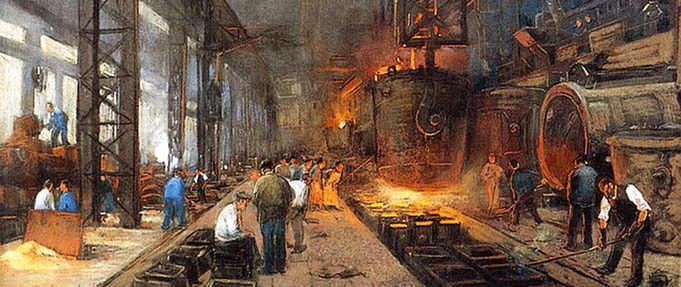

The Industrial Revolution is widely remembered as the moment human history shifted from muscle to machine. Beyond the new inventions that emerged, this era caused total upheaval that moved families from farms to factories and reshaped the global balance of power.
To better understand our modern world—from our greatest technological advancements to our biggest climate challenges—we have to look back at the soot and steam of the 18th and 19th centuries. These eight books move beyond general facts to capture the grit, ambition, and human cost of the era that built the foundation of the world we live in today.
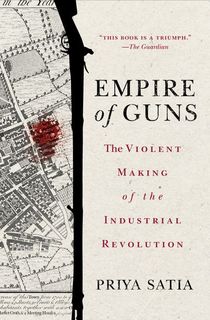
Empire of Guns
Priya Satia challenges the traditional narrative of steam and cotton by arguing that the Industrial Revolution was actually forged in the fires of constant warfare.
By following the life of Quaker gunmaker Samuel Galton Jr., she reveals how military contracting served as the true engine of British economic growth.
Empire of Guns is a provocative, award-winning look at how the machinery of industry and the machinery of death were inextricably linked from the very start.
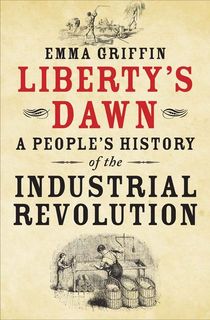
Liberty's Dawn

Emma Griffin reconstructs the Industrial Revolution from the ground up, utilizing hundreds of working-class autobiographies to give a definitive voice to the laborers of the era.
By moving beyond cold economic data, she reveals a nuanced landscape where the hardships of factory life were often countered by rising literacy, increased political agency, and unprecedented social freedoms.
This rigorous revisionist history offers an intimate and essential perspective on how the dawn of industry transformed the lives—and the minds—of those who lived it.
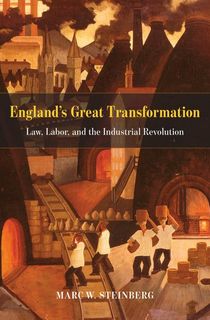
England's Great Transformation
In England’s Great Transformation, Marc W. Steinberg delivers a rigorous revisionist history that challenges the traditional belief in a "free" nineteenth-century labor market.
Through an analysis of specific case studies from the pottery and fishing industries, he demonstrates how restrictive master-servant laws allowed employers and legal institutions to exert disciplined control over the workforce.
This revelatory work integrates Marxist and institutionalist perspectives to show that the Industrial Revolution was built as much on legal coercion as it was on technological innovation.
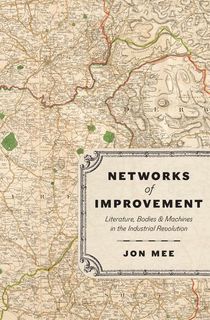
Networks of Improvement
Jon Mee offers a sophisticated cultural history that reframes the Industrial Revolution as a complex "knowledge economy" driven by unintended consequences.
Mee examines the circulation of ideas through the literary and philosophical societies of manufacturing towns, Mee reveals how enlightened liberal reforms unexpectedly paved the way for coercive machine productivity.
This insightful study explores how the era’s social networks and institutions functioned as essential transmission hubs for the technological explosion that followed.
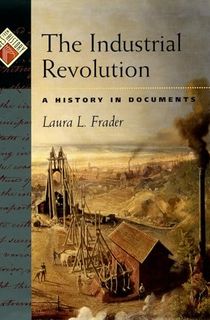
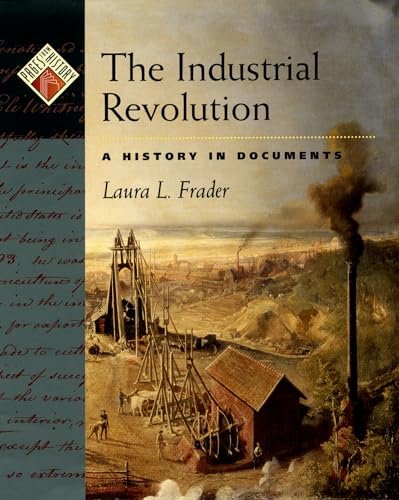
The Industrial Revolution: A History in Documents (Pages from History)
Laura L. Frader provides an immersive look at the era of upheaval through the very records created as it unfolded. By curating a diverse array of primary sources—including personal diaries, business reports, and early telegraphs—this volume exceeds simple historical summaries and shows how innovations in steam, steel, and communication fundamentally restructured society.
It is an essential resource for those seeking to understand the far-reaching social and political shifts of the period through the authentic voices of the people who experienced them.
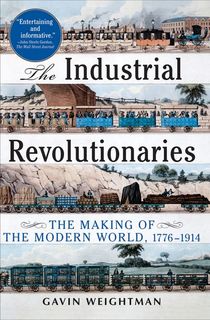
The Industrial Revolutionaries
In The Industrial Revolutionaries, William J. Rosen delivers an intense, global narrative of the unlikely band of scientists, spies, and entrepreneurs who forged the modern world.
By weaving together the biographies of famous titans like Watt and Edison with the harrowing stories of forgotten visionaries, Rosen illustrates how industrial innovation was a collaborative, often competitive, international pursuit.
This masterful and engaging book captures the transition from a world of wood and muscle to one of steel, steam, and fossil fuels.
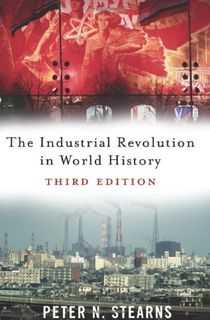
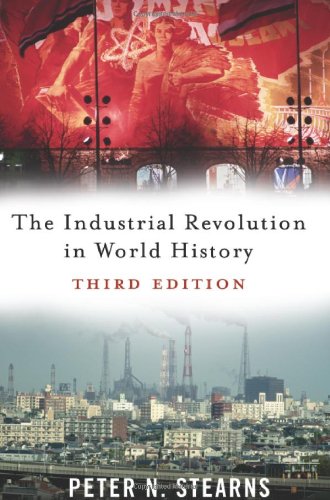
The Industrial Revolution in World History
Peter N. Stearns transcends traditional Western-centric narratives to provide a truly global perspective on the dawn of industry. This comprehensive study examines how the movement spread from Europe to Japan, Russia, and the Americas, offering a comparative analysis of how different societies adapted to technological and economic upheaval.
Beyond just machinery and trade, Stearns explores the profound social consequences of the era, from shifting gender roles and family structures to the long-term environmental impacts that continue to shape our world today.
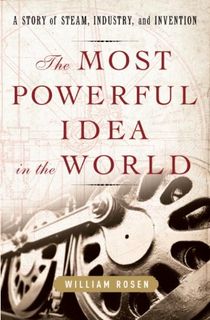
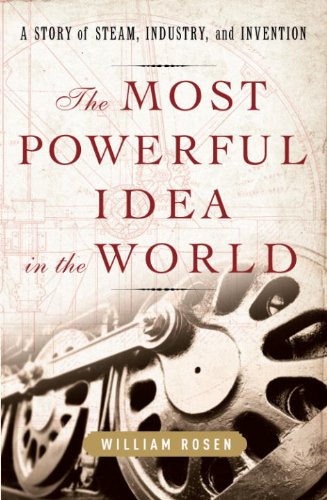
The Most Powerful Idea in the World: A Story of Steam, Industry, and Invention
William Rosen explores the transformative history of the steam engine and the intellectual breakthrough that made its success possible. He argues that Britain’s industrial explosion was fueled not just by coal and iron, but by the legal birth of intellectual property rights, which incentivized a generation of inventors to pursue radical innovation.
By profiling legendary figures like James Watt and Thomas Newcomen, Rosen provides a brilliant analysis of how the blending of scientific inquiry and patent law ultimately launched the modern age.
Featured image: Wikimedia Commons


