
Every building tells a story. The science and art of architecture (for it is both a science and an art, utilizing the techniques of civil engineering as well as design principles) helps us not only understand how habitable structures were constructed in the past, but also how cultures and civilizations have evolved through the ages.
The history of architecture is, in a way, the story of how humankind evolved and learned to survive across different environments, and through various natural or manmade upheavals. Architectural styles reflect the spirit of the times and evolve based on the availability of building materials, needs of the inhabitants, as well as on major cultural or historical shifts.
Here are six books on the evolution of architecture to dive deeper into this fascinating topic!
Architecture: Form, Space, and Order
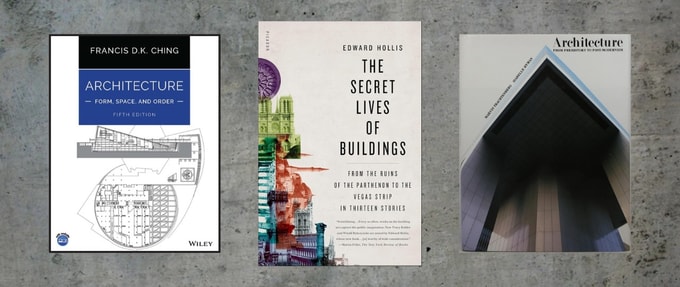
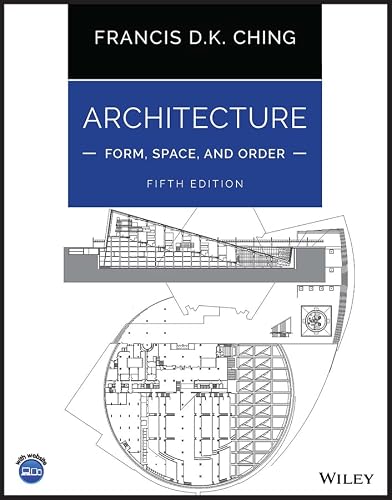
If you’re totally new to the topic of architecture, Francis D.K. Ching’s comprehensive and beautifully-illustrated book, Architecture: Form, Space, and Order, will help you grasp the vocabulary of the subject and make you look critically at all the buildings around you. The recent editions of the book also discuss how breakthroughs in modern digital and building technologies have influenced the field into pioneering more environmentally sustainable structures. It will help readers understand how architectural concepts have changed across cultures, while some principles of form, space, and order have remained consistent.
Overall, a rather enriching read.
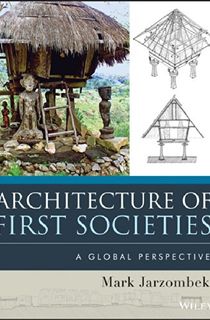
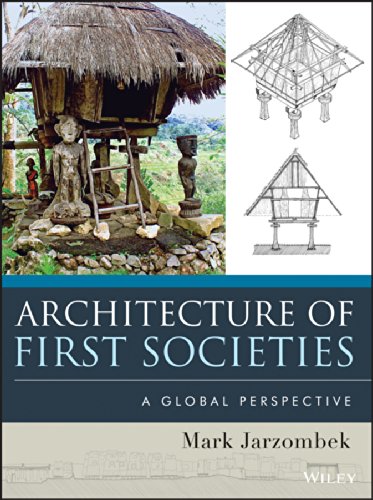
Architecture of First Societies: A Global Perspective
To understand any field in its entirety, it is important to go back to the beginning and look at its origins. In Mark Jarzombek’s groundbreaking work, Architecture of First Societies: A Global Perspective, the reader is taken on a tour through early societies and pre-Columbian American civilizations to look at how habitable buildings and structures were first constructed. It also finds important links between these early building principles and the way indigenous communities still construct structures today.
Drawing upon other fields like history, archaeology, and anthropology, Architecture of First Societies is a magnificent, educational, and eye-opening book.
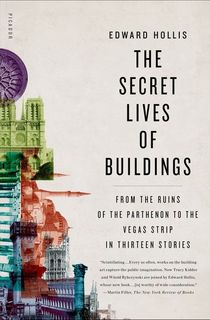
The Secret Lives of Buildings
A must-have book on architectural history, The Secret Lives of Buildings is a grand tour de force of human civilization, accompanied by lovely illustrations that detail the transformation of Western architecture. Focusing on 13 key buildings, the book goes into the construction of certain cultural pillars, how they have been repurposed, and sometimes even restored in entirely unrecognizable forms.
Be it the Parthenon, the Notre Dame, or the Berlin Wall, Edward Hollis’s book is filled with marvelous facts and makes for a rather illuminating read.
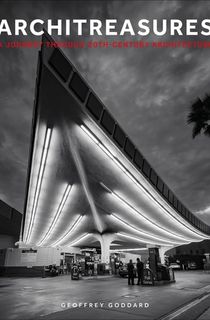
Architreasures
Every historical period is marked by a distinctive architectural style, and the 20th century is no different. Geoffrey Goddard’s lovely book, Architreasures, is a rare treasure worth keeping on your coffee table and regularly perusing, blending the format of a photo essay with a call for the conservation of historic structures.
It focuses on various aspects of 20th century architecture, including art deco movie theaters as well as the brutalist structures of the 1970s and 1980s, highlighting both well-known buildings as well as obscure ones. The evocative pictures and the accompanying text provide a sneak-peak into the various cultural shifts, and how architectural styles can also radically transform within the course of a single century.
10 Innovations That Will Shape Tomorrow's Architecture
Understanding and learning from the past isn’t of much use if we can’t use that knowledge to anticipate and plan for the future. Agata Toromanoff and Pierre Toromanoff’s fascinating book dives deep into the technological innovations that might shape the future of architecture, as well as humankind’s survival on a planet ravaged by climate change.
Be it 3D printing, neuroarchitecture, weatherproofing or biomimicry, the book offers various paths through which future architects might solve challenges involving a complex social and environmental reality. Focusing on key case studies, advances in research and experimentation, as well as on various ongoing projects, this enchanting a book opens up a plethora of possibilities and problem-solving that awaits the future of architecture.
Architecture: From Prehistory to Postmodernity
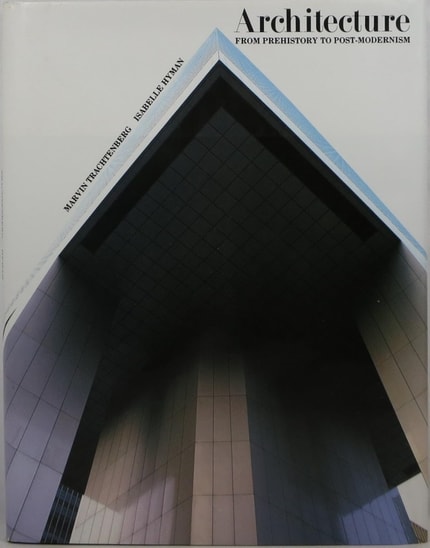
Finally, if you’re looking for a single comprehensive volume that makes sense of architectural trends and the evolution of buildings from prehistory to modern times, Marvin Trachtenberg and Isabelle Hyman might provide the answers you seek. An ambitious and breathtaking survey of the evolution of architecture, this book will help readers view both historical monuments as well as contemporary urban spaces in a newer and more critical light.