

The 19th-century push of American settlers toward the Pacific was fueled by the powerful, intertwined beliefs of "Manifest Destiny"—the conviction that the United States was divinely ordained to expand its dominion across the continent—and the harsh realities of frontier life. This complex, often brutal era shaped the nation's identity, involving immense sacrifice, conflict with Indigenous populations, and the relentless pursuit of new beginnings.
The following eight essential reads delve into the diverse and challenging experiences of the pioneers, frontiersmen, and Native American tribes who lived through this transformative period in American history.
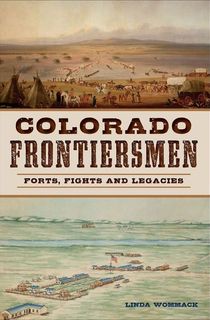
Colorado Frontiersmen
In the untamed Colorado frontier, legendary figures like Kit Carson and Jim Beckwourth battled outlaws and natives at forts built for protection, but these strongholds became stages for betrayal, massacre, and the harsh realities defining westward expansion, revealing the bloody truth behind the myth of frontier glory.
This book explores how iconic forts like Garland, Sedgwick, and Lyon weren't just buildings but woven into the violent, glorious, and often tragic sagas of pioneers, scouts, and soldiers shaping the American West. Discover the pivotal moments, from Tobin's deadly delivery to the Sand Creek tragedy, that forged Colorado's identity through the grit and gore of its most famous frontiersmen.
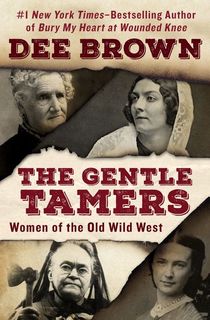
The Gentle Tamers

In a lively and factual account, a diverse cast of pioneering women—from social reformer Carry Nation to explorer Elizabeth Custer—challenge traditional narratives to reveal how they truly built the American West, influencing all aspects of the era's life.
This compelling chronicle unearths the hidden histories of figures like suffrage advocate Esther Morris and Brigham Young's runaway wife, Ann Eliza Young, offering a sound exploration of the complex feminine and masculine lives that shaped the frontier. Ultimately, the book provides an informal yet authoritative look at the trailblazers who defied expectations and left an indelible mark on Western expansion and culture.
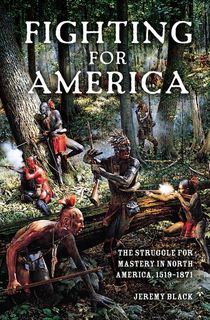
Fighting for America
In a groundbreaking narrative spanning over 350 years, prize-winning historian Jeremy Black challenges the inevitability of American dominance by tracing the complex interplay of conflict, diplomacy, and geopolitics that shaped control of North America from the arrival of Hernán Cortés to 1871.
Black emphasizes contingency over Manifest Destiny, offering a fresh reconceptualization of American exceptionalism through the lens of relentless international competition and the gradual withdrawal of European powers. This comprehensive history details how the accommodation of rivals and the subjugation of Native peoples ultimately resulted in the creation of a United States that spanned a continent.
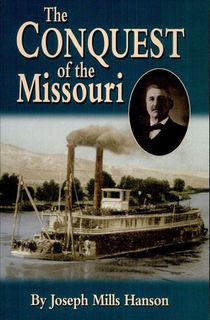
The Conquest of the Missouri
Grant Marsh, a towering figure of the Old West, navigated the dangerous waters of the Mississippi and Missouri Rivers, playing a central role in American westward expansion. From transporting troops during the Civil War to participating in the 1876 Yellowstone Expedition with Custer, his life mirrored the rise and fall of the steamboat industry.
He became a legend after his record-breaking dash on the steamer Far West to save the wounded survivors of the Battle of the Little Bighorn, solidifying his place in history as a pivotal figure in the post-Civil War Indian Wars.
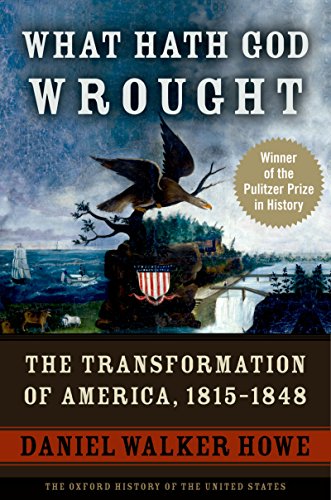
What Hath God Wrought
This Pulitzer prize-winning history of America focuses on the period of time during which the United States expanded to the Pacific and gained dominance over the wealthiest part of North America. This panoramic narrative illuminates the revolutionary advancements of the era, from transportation to communication, that aided the expansion of the American empire. Daniel Walker Howe details the emergence of mass political parties, as well as the national transformation from a rural country to a diversified society consisting of commercial, industrial, and agricultural economies.
Howe masterfully weaves together a well-rounded analysis of the United States during this critical period–from slavery, women’s rights, education, literature, religion—and the ultimate culmination of America’s expansion in the controversial war waged against Mexico to claim California and Texas.
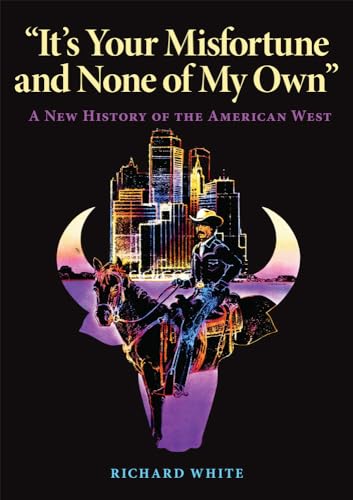
"It's Your Misfortune and None of My Own": A New History of the American West
In this powerful examination of the American West, Richard White illuminates the complex nature of the expansion of the United States through a range of recent scholarship on the western environment, western gender relations, minority history, and urban and labor history. Aiming to highlight the overlooked truths about how the region was created, White dissects the influences—politically, socially, economically—that defined the area,
Offering valuable insight in the history of American expansion, this book takes a look at the enduring values of the West, as well as why it has remained such a distinctive section in a much larger nation.

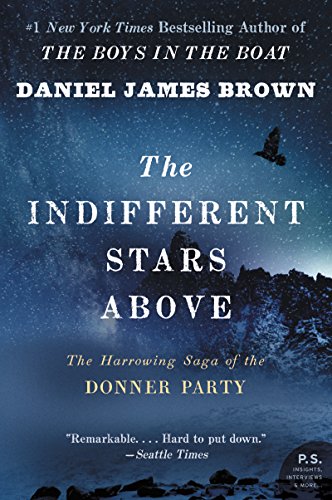
The Indifferent Stars Above
This fascinating narrative sheds new light on one of the most infamous stories of Western Migration, painting a detailed portrait of the Donner party on their journey across the country in 1846. It follows Sarah Graves, a twenty-one-year-old, as she joins George Donner’s party of emigrants trekking towards California. As the group reached the Sierra Nevada Mountains, heavy snow blocked their path, leaving them desperate and starving. Sarah and 14 others endured the unfathomable struggle, in snow boots, to make it to California alive.
Daniel James Brown crafts a tale that is both profoundly moving and deeply informative, as Sarah faces horrific hardships throughout her journey towards a better future.
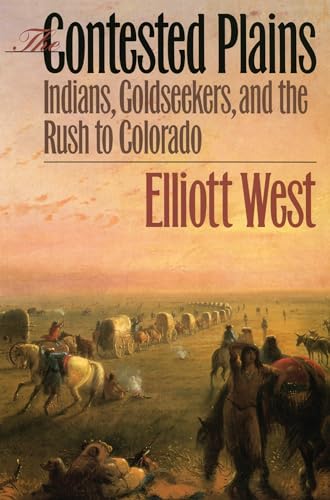
The Contested Plains: Indians, Goldseekers, and the Rush to Colorado
This powerful examination of the central great plains situates the Colorado gold rush as the key event in the modern transformation of the region. Elliot West draws on ancient and recent U.S. history, chronicling the challenges and triumphs of both Native Americans and whites as they chased their conflicting dreams of greatness in the soul of the continent.
West weaves together narratives of various groups—Native Americans, goldseekers, haulers, merchants, ranchers, farmers—who contributed to, and were consumed by, the clashing struggle to transform the land. Ultimately conceptualizing the “frontier” as a powerfully unsettling process that shattered an old world, West offers a fascinating deep dive into this overlooked puzzle piece of American history.
Featured image: John Gast / Wikimedia Commons


