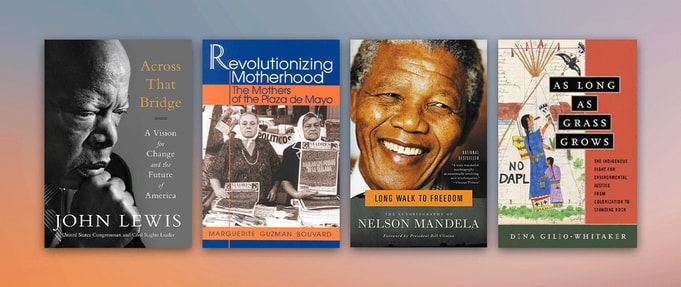

Across time, civil disobedience has been one of the most powerful catalysts in human history. From colonists dumping tea into the sea in 1773 to Indigenous water protectors standing their ground at Standing Rock in 2016, activists have assembled to dismantle oppressive regimes and advocate for shared civil liberties.
Although often met with violence, the people spotlighted on this list stayed true to their principles—thereby creating a better world for us. In the words of Dr. Martin Luther King Jr, an active proponent for civil disobedience, “One has a moral responsibility to disobey unjust laws.” These books tell those stories.
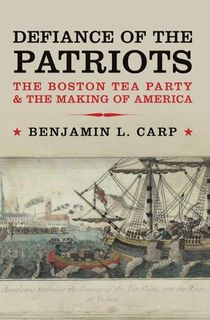
Defiance of the Patriots
In one of the most crucial moments in American history, scholar Benjamin Carp positions the Boston Tea Party in a global context as an early example of civil disobedience.
Considering the events, consequences, and causes—including tea from China and sugar from Caribbean plantations, all of which moved through the British Empire—he illustrates how the colonists appropriated Native American imagery and what this meant for a budding nation.
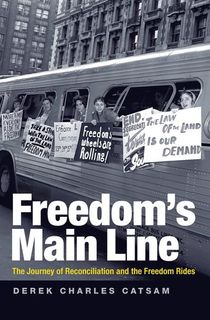
Freedom's Main Line
Tracing the Civil Rights movement from the 1947 Journey of Reconciliation through to the landmark 1961 Freedom Rides, author Derek Charles Catsam offers “a highly readable and dramatic account of a major turning point” (Journal of African-American History).
Catsam illustrates how, beyond the courtrooms and classrooms, buses, trains, and other modes of public transportation played a crucial role in protesting the second-class citizenship of African Americans.
The Freedom Rides, in which diverse riders rode interstate buses into the segregated American South, were a major turning point in the movement, placing the violent reality of segregation into the unavoidable public consciousness.
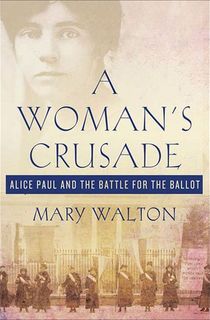
A Woman's Crusade
Before civil disobedience became a recognized form of protest, Alice Paul and her followers, known as the “Silent Sentinels,” picketed in front of the White House for the American suffrage movement.
With her courageous and unconventional methods, she was instrumental in securing the passage of the Nineteenth Amendment, which granted white women the right to vote.
As put by the Los Angeles Times, Paul’s story is “a reminder of the perseverance, the gall, the intelligence it took to obtain what now seems an inalienable right, an obvious pillar of any democracy.”
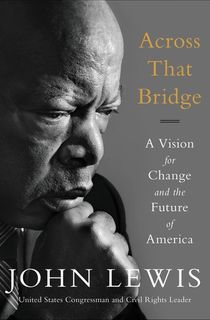
Across That Bridge
Written by Congressman John Lewis, who was beaten on Bloody Sunday at the Edmund Pettus Bridge in Selma, Alabama, Across That Bridge is an inspiring account of the Civil Rights Movement—and the continued necessity of nonviolent, peaceful protest.
In his final book on his impact, published before his passing, Lewis spotlights civil disobedience not only as a tactic but as a moral commitment, guiding new waves of activists.
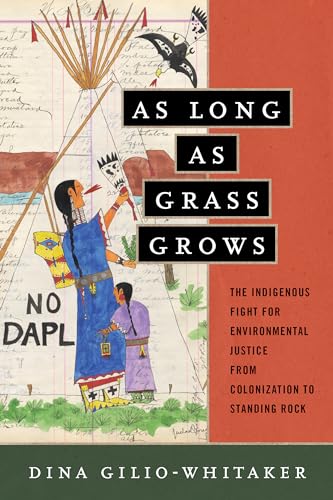
As Long as Grass Grows
Indigenous researcher and activist Dina Gilio-Whitaker offers a contemporary reflection on the history of Indigenous civil disobedience in America.
From treaty violation to protecting sacred sites, she spotlights Native peoples’ continued activism for the environment, as a resource for environmentalists, while also highlighting the importance of Indigenous women in the centuries-long struggle.
Based on the Standing Rock pipeline protests of 2016, this is a crucial resource for anyone seeking to learn about the methods and impacts of civil disobedience.
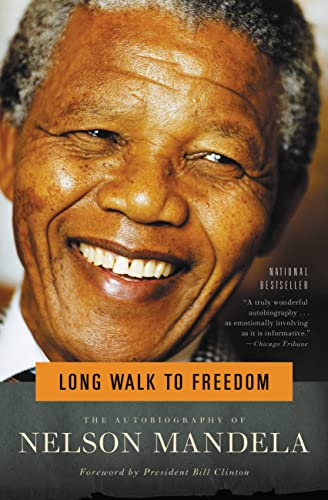
Long Walk to Freedom
Nelson Mandela is easily one of the most defining figures in understanding civil disobedience, as demonstrated through his lifelong dedication to ending apartheid in South Africa.
Moving from his 1950s campaign to his 27 years in prison on Robben Island, this incredible account, from the man himself, is “essential reading for anyone who wants to understand history—and then go out and change it” (President Barack Obama).
Gandhi Before India
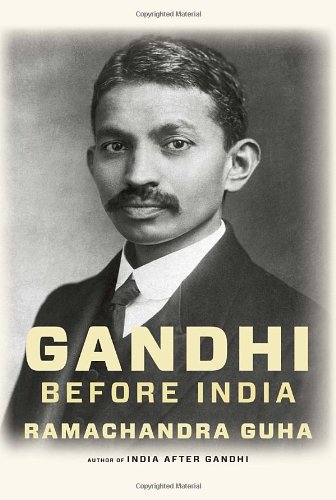
Author Ramachandra Guha bases this account of Gandhi, one of the most influential and complex men in history, not in India—where he led his defining movement against British rule—but in South Africa, where he developed satyagraha, his philosophy of nonviolent resistance.
His work there would serve as the basis not only for the Indian independence movement, but also for the American civil rights movement, the anti-apartheid struggle, and much more.
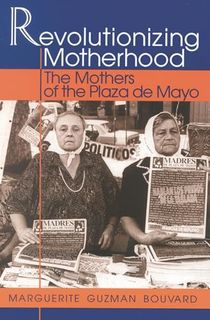
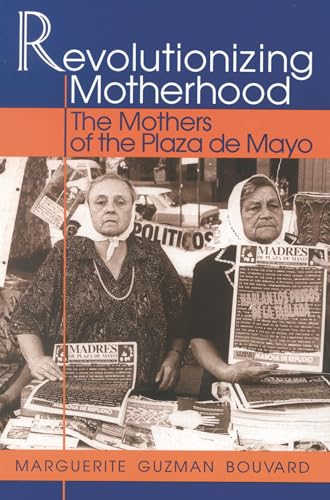
Revolutionizing Motherhood
Perhaps a story less known by the general American public, the Mothers of the Plaza de Mayo effectively altered the course of Argentine politics forever.
Taking place during the Argentine junta’s Dirty War, where thousands were abducted and tortured daily, this group of working-class women banded together, searching through the military and prisons for their lost loved ones.
Although weekly assembly had been banned, they defied the regime in a remarkable demonstration of civil disobedience, drawing international attention and action.
Featured image: Canva


