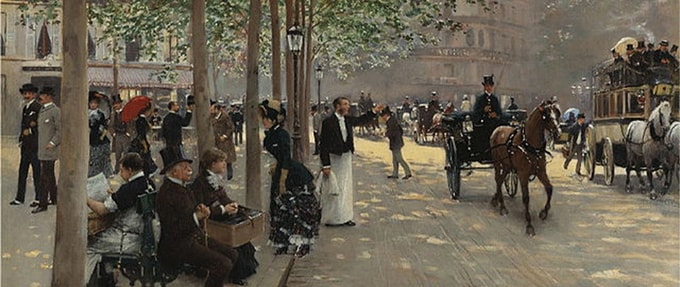

Before the world was irrevocably changed by the Great War, Paris served as the epicenter of an era of transformation, a time that saw groundbreaking shifts in science, technology, art, and culture. During this vibrant golden age, France became famous for its gas-lit boulevards of thriving urban nightlife and the dizzying rise of the iconic Eiffel Tower.
The Belle Époque, or "Beautiful Era," was a time of paradoxical brilliance. It was a period where high-society galas met the gritty birth of modern art, and where scientific breakthroughs happened alongside deep-seated social scandals. From the glittering salons of the aristocracy to the muddy backstage of the Paris Opéra, these seven books—ranging from immersive social histories to culinary chronicles—pull back the velvet curtain to reveal the passion, the decadence, and the shadows of fin-de-siècle France.
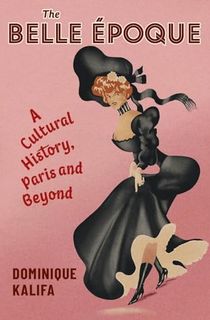
The Belle Époque: A Cultural History, Paris and Beyond
In this insightful cultural history, Dominique Kalifa explores how the "Belle Époque" was actually a term coined after the First World War to describe a lost paradise that perhaps never truly existed as we imagine it. By sifting through a century of memoirs, films, and art, Kalifa investigates why we have sanctified this era as a pinnacle of joie de vivre and scientific daring. It is a nuanced meditation on history and nostalgia, revealing how France—and the rest of the world—constructed the myth of a golden age to cope with the shadows of the modern world.
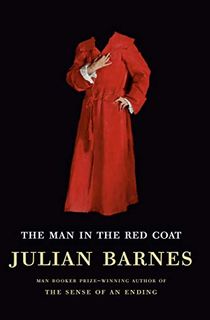
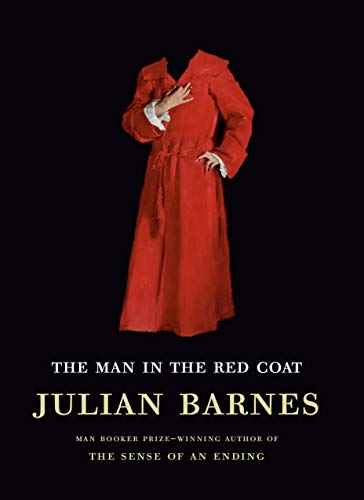
The Man in the Red Coat
Julian Barnes, the Man Booker Prize-winning author of The Sense of an Ending, offers a masterful and witty tour of the Belle Époque through the life of Samuel Pozzi—the pioneering surgeon and "man in the red coat" immortalized in John Singer Sargent’s famous portrait. As Pozzi navigates a landscape populated by the likes of Oscar Wilde and Sarah Bernhardt, Barnes explores a society that was as violent and prejudiced as it was glamorous and decadent. It is a brilliant, deeply researched portrait of a scientific man ahead of his time, serving as a cautionary and compelling mirror to the complexities of our own modern age.
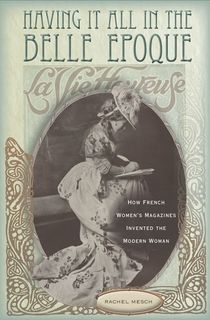
Having It All in the Belle Epoque
This fascinating cultural history reveals that the modern struggle to "have it all" isn’t a contemporary invention, but a debate born in the glossy pages of early 20th-century French magazines. By analyzing the pioneering publications Femina and La Vie Heureuse, Rachel Mesch explores how the "modern woman" of the Belle Époque navigated the tension between traditional domesticity and a newfound desire for professional and creative achievement. Through a rich collection of rare archival images and literary analysis, the book uncovers a forgotten brand of "literary feminism" that empowered women to redefine their roles within the elite circles of Parisian society.
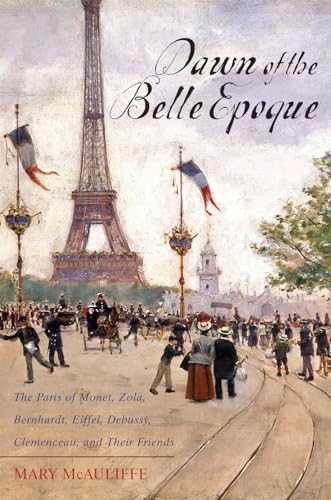
Dawn of the Belle Époque: The Paris of Monet, Zola, Bernhardt, Eiffel, Debussy, Clemenceau, and Their Friends
Mary McAuliffe’s Dawn of the Belle Époque captures the miraculous transformation of Paris from a war-torn shambles in 1871 to the glittering cultural capital of the world by 1900. Through a sweeping narrative, McAuliffe tracks the volatile decades of the Third Republic, where political unrest and social scandals clashed with a radical explosion of creativity. By following the parallel lives of pioneers like Claude Monet, Marie Curie, and Gustave Eiffel, the book illustrates how a generation of revolutionaries defied tradition to build the iconic "Beautiful Era" from the ashes of defeat.
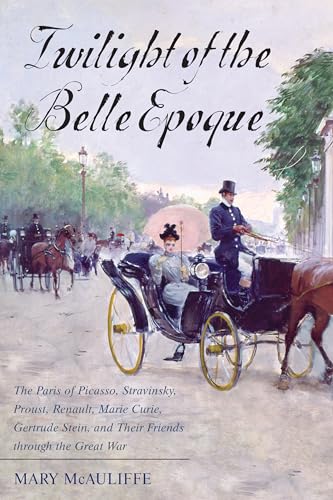
Twilight of the Belle Époque
Building on Dawn of the Belle Époque, Mary McAuliffe further explores the full flourishing of Paris at the turn of the twentieth century. Drawing on the lives of creative trailblazers like Picasso, Matisse, Proust, and Jean Cocteau, this book dives into the ways that revolutionary visions came to fruition during the Belle Époque. McAuliffe challenges the retrospectively romanticized imagination of Paris before World War I by introducing otherwise forgotten struggles between church and state, and the tumultuous effects of the approaching war.
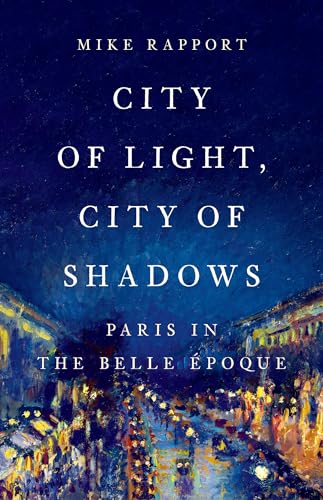
City of Light, City of Shadows: Paris in the Belle Époque
This new history of Paris’s Belle Époque, crafted by top historian Mike Rapport, paints a portrait of the simultaneous blossoming and wilting that the City of Lights experienced during the years famously known as a golden age for Paris. In this brilliant account, Rapport reveals the darker side of a seemingly sparkling time, centering on the social anxieties, epidemics of poverty, political extremism, and antisemitism that plagued the superficially glamorous city.
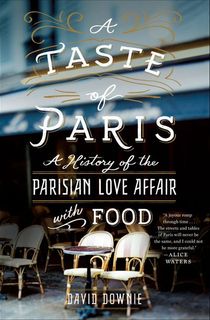
A Taste of Paris
Part history and part gourmet walking tour, David Downie’s vibrant narrative sweeps through the centuries to discover how Paris became the undisputed epicenter of gastronomy. From the gluttonous banquets of Versailles to the classic Belle Époque bistros that remain icons of the city today, he traces the evolution of French taste with wit and expert insight. It is a delectable journey that reveals the secret geography of the city’s culinary heritage, proving why the spirit of the "Beautiful Era" still lives on in every bite.
Featured image: Jean Béraud / Wikimedia


