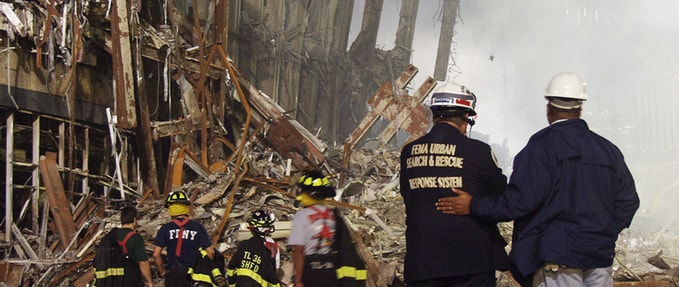

A quarter-century ago, a horrific tragedy took place. The terrorist attacks of September 11, 2001 changed New York, the nation, and the lives of Americans everywhere—etched permanently in our collective memory. Today, it is our duty to remember the people who lost their lives: the victims and first responders who acted with true heroism.
25 years later, 9/11 continues to shape our understanding of what it means to show courage and come together in times of crisis—for those who lived through it and newer generations who’ve learned about it since.
To mark the anniversary, we’ve put together a list of books that spotlight the victims, the acts of bravery that defined the day, and the conversations it continues to raise. Beyond this list, take the time to observe a moment of silence, participate in a day of service, or attend a local memorial, if you can.
Above all: never forget.
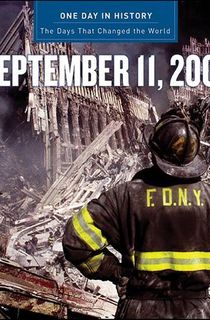
One Day in History: September 11, 2001
Offering a comprehensive overview of this pivotal day in history, author Rodney P. Carlisle examines the themes that followed the attack, including the war on terror and the rise in patriotism.
From the tragic events of the day and those that followed to the establishment of the 9/11 Commission, this volume covers the overarching effects and consequences.
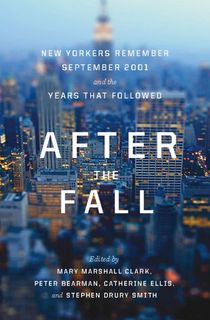
After the Fall

In the days following the attacks, Columbia’s Oral History Research Office conducted interviews across New York, with hundreds of people of varying involvement and background.
After the Fall compiles the testimonies, offering a “staggering book of living memory” (Booklist, starred review). From first responders, artists, school teachers, immigrants, and more, this is a powerful, resonant time capsule.
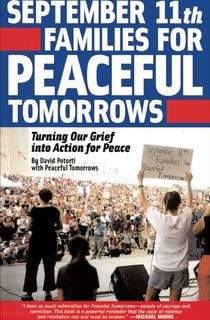
September 11th Families for Peaceful Tomorrows
In the face of unimaginable loss, a group of grieving people came together to establish Peaceful Tomorrows: an anti-war organization of survivors of the attacks and loved ones of those who died that day.
Heartbroken, lost, and confused, the people involved went on to protest dropping bombs on civilians in Afghanistan and Iraq, arguing instead for nonviolent, peaceful protesting—and were nominated for the Nobel Peace Prize twice. This is their story.
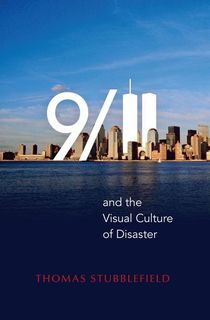
9/11 and the Visual Culture of Disaster
Author and scholar Thomas Stubblefield considers how the hyper-visible media spectacle of the September 11 attacks paradoxically created a culture built on absence and erasure.
A “must-read for both students and practitioners of media studies,” this “extrodinarily brilliant” look at the day “will change how we think about distasters and tragedies” (Repository).
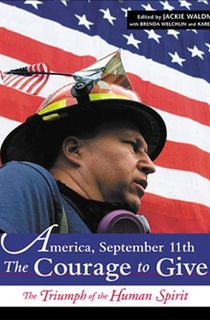
America, September 11th: The Courage to Give
Compiling accounts from various first responders, relatives looking for loved ones, and everyday people who witnessed the horrors of 9/11—these stories illuminate the compassion and courage of those in mourning.
From an ASPCA leader who lost her sister and went on to found a rescue initiative for pets in the area, to a music student who played for the rescue workers at Ground Zero, these vivid stories remind us that we should always rely on and, in turn, serve our communities.
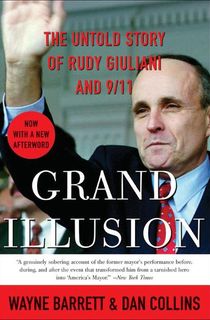
Grand Illusion
On the day of the attacks and in the aftermath, Rudy Giuliani received widespread praise for his visible, calm presence in crisis. Walking the streets of Lower Manhattan, comforting strangers, he would later become a symbol of one of his greatest failures.
The mayor’s performance, following two terms in office, spotlighted how he had taken the wrong, destructive approach to the city’s security against terrorism.
In Grand Illusion, authors Wayne Barrett and Dan Collins consider the city’s efforts to heal itself with “a genuinely sobering account of the former mayor’s performance before, during, and after the event that transformed him from a tarnished hero into ‘America’s Mayor’” (New York Times).
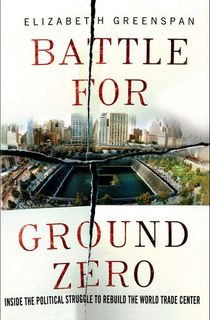
Battle for Ground Zero
Elizabeth Greenspan’s Battle for Ground Zero is “a valuable and highly accessible primer for everyone who wants to better understand how government works,” through a look into the long struggle of rebuilding the World Trade Center (New York Times).
In behind-the-scenes interviews with architects, rescue workers, victims’ relatives, and more, she examines how all parties clashed at every step—overall revealing the complex political, financial, and emotional struggles of revisiting the site.
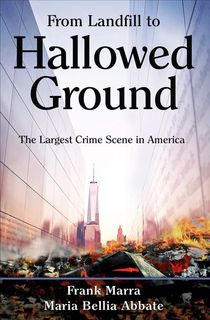
From Landfill to Hallowed Ground
For NYPD Sergeant Frank Marra, September 11, 2001 began like any other—but the events that unfolded would, as is the case for many others, stick with him forever.
Called to the site of the South Tower, Sergeant Marra stared down the largest crime scene he’d ever investigated. In the months following, he searched through 1.6 million tons of debris for any evidence to help identify victims.
A devastating look into the reality of the day and the aftermath, particularly the extent to which first responders went to help grieving families, this is a must-read.
Featured image: U.S. Customs and Border Protection


